Lawns
Lawns are often the heart of outdoor landscapes, serving as the lush, green foundation upon which other garden elements thrive. These expanses of grassy terrain, whether manicured to perfection or allowed to grow wild, play a pivotal role in the overall aesthetics and utility of outdoor spaces. From family picnics to games and lounging, lawns cater to myriad activities and memories.
This section delves into the realm of lawns, offering insights into their care, maintenance, and the different grass varieties suitable for various climates and preferences. Whether you’re aiming for the perfect green carpet, exploring eco-friendly lawn alternatives, or seeking maintenance tips, the lawns section promises a wealth of knowledge.
-
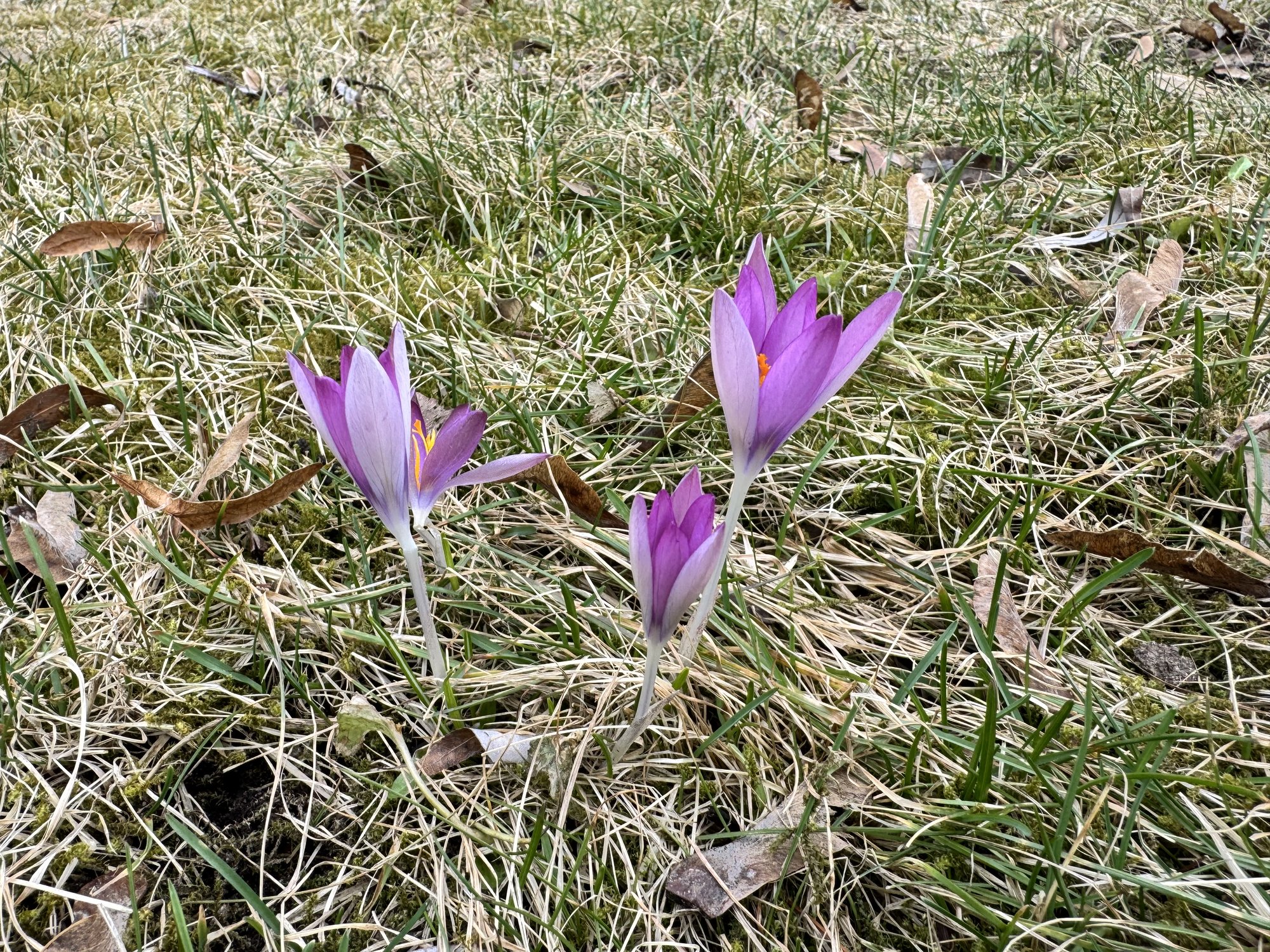
Early spring lawn care
Start early spring lawn care after the turf dries: light raking, a soil test, careful fertilizing, and repairs to thin spots.
-

Fall lawn care: 12 jobs and when to do them
A fall lawn care checklist: when to overseed, aerate, and fertilize, how short to mow, and how to handle leaves and weeds before winter.
-

What to do with grass clippings: lawn, mulch, or compost
What to do with grass clippings: leave them on the lawn for free fertilizer, use them as mulch or compost, and avoid herbicide-treated clippings.
-

How to grow a lawn
How to grow a lawn from seed: test the soil, prep the site, choose cool or warm-season grass, sow, and water until it fills in.
-

The best time to fertilize lawn (before or after rain)
Fertilize your lawn after heavy rain, not before. Skip it if heavy rain is due within 24 hours. Timing tips from Iowa State and Rutgers…
-

How to grow grass in sandy soil
How to grow grass in sandy soil: test and amend with compost, pick a sand-tolerant grass, mow high, and water and feed for fast-draining soil.
-

Growing grass with dogs
Growing grass with dogs: the toughest grasses for traffic and urine, how to fix and prevent brown spots, and how to seed a lawn with…
-

Best type of grass seed
Best type of grass seed for your lawn: cool-season and warm-season grasses compared, with picks for sun, shade, drought, and foot traffic.
-

How to prepare soil for sod: 6 steps for a healthy new lawn
How to prepare soil for sod in six steps: test the soil, strip old grass, loosen and amend the top 6 inches, then grade, roll,…
-

Organic lawn fertilizer
How organic lawn fertilizer works, what’s in it, popular brands compared, and when and how to apply it to your lawn.
-

When does grass stop growing?
Grass stops growing in fall once daytime highs stay below about 50°F. When it happens, why lawns go dormant, and when to make the last…
-

How to plant grass seed on hard dirt
How to plant grass seed on hard dirt: test the soil, core aerate or till in compost, know when topsoil helps, then seed and water…
-

Best grass seed
How to pick the best grass seed: fresh, high-purity perennial mixes suited to your climate, with tips for reading the seed label.
-

Lawn care
Mow cool-season grass about 3 inches high, water 1 to 1.5 inches a week when it needs it, and overseed bare spots in early fall.
