Hydrangeas
Hydrangeas, with their opulent blooms and captivating color-changing abilities, are a gardener’s dream. From the iconic mophead and delicate lace-cap varieties to the panicle and oakleaf types, hydrangeas offer a rich tapestry of forms and hues. Intriguingly, many hydrangea blossoms change color based on soil pH, making them nature’s litmus test.
This section invites you to immerse yourself in the enchanting world of hydrangeas. Discover care tips, delve into the different varieties, and explore the magic behind their chameleon-like blooms. Whether you’re a seasoned hydrangea enthusiast or new to these botanical treasures, a world of wonder awaits.
-

How long it takes to change hydrangea flower color
How long it takes to change hydrangea bloom color, with soil pH targets for blue and pink and which species will not change.
-
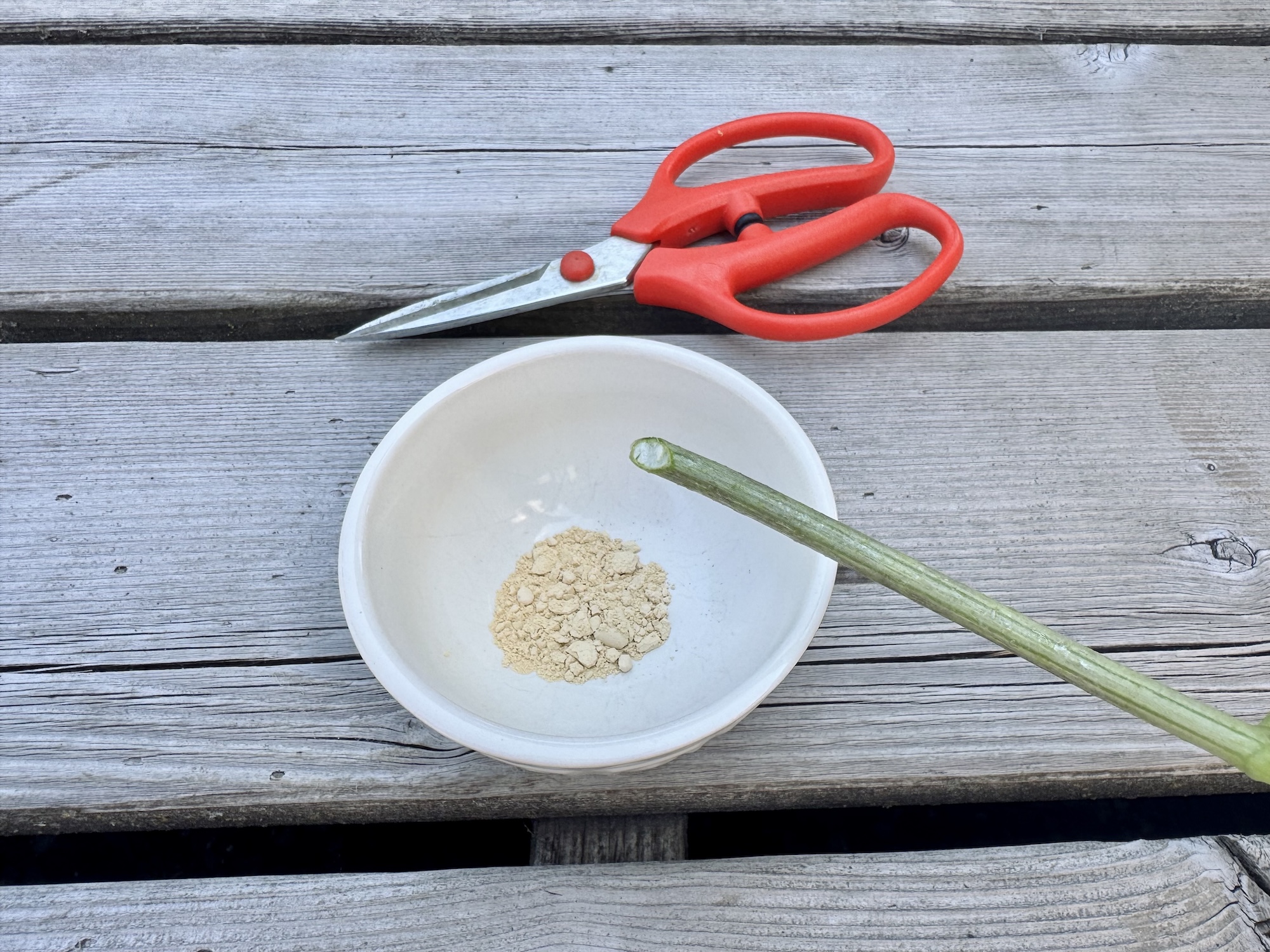
Rooting hydrangeas
How to root hydrangeas from softwood cuttings, in water, or by layering, plus timing, humidity, and how to plant rooted cuttings in the garden.
-

How to make hydrangeas purple
How to make hydrangeas purple: aim for soil pH 5.5 to 6, adjust with sulfur or lime, skip high-phosphorus fertilizer, and give them afternoon shade.
-

How to make hydrangeas pink
How to make hydrangeas pink: raise soil pH to 6.0 or higher with lime, skip aluminum sulfate, and choose a pink bigleaf variety.
-

How to make hydrangeas blue
Make hydrangeas blue by lowering soil pH to about 5.0 to 5.5 and adding aluminum. Sulfur, aluminum sulfate drenches, fertilizer, and which types change.
-

How to grow hydrangeas
How to grow hydrangeas: sun and soil by type, planting, watering, mulching, feeding, pruning old-wood and new-wood types, and propagation.
-

How to change hydrangea color
How to change hydrangea color: lower soil pH to 5.0-5.5 for blue flowers or raise it to 6.0+ for pink, and why aluminum makes the…
-

7 reasons for hydrangea losing color
Why hydrangeas lose color: harsh sun, too little water, too much nitrogen, pH, nutrients, disease, and pests, and how to fix each one.
-

Best fertilizer for Endless Summer hydrangeas
Fertilize Endless Summer hydrangeas in spring with a complete slow-release product. Blue needs pH 5.0 to 5.5, pink 6.0 to 6.5, after a soil test.
-

When to prune Endless Summer hydrangea (and how much to cut)
Give Endless Summer hydrangea a light trim right after the first blooms fade. Learn why fall and spring cuts cost flowers and how to remove…
-

Endless Summer hydrangea not blooming
Endless Summer hydrangea not blooming? The usual causes: pruning at the wrong time, too much nitrogen, water, sun, and winter bud damage.
-

Endless Summer hydrangeas size
Endless Summer hydrangeas grow 3 to 5 feet tall and wide. Here’s how they compare to 9 other rebloomers, and how to grow them bigger…
-

Endless Summer hydrangea sun vs. shade
Endless Summer hydrangea sun vs. shade: how much sun it needs by zone, why afternoon shade matters, and how to water and feed it.
-

Little Lime vs Bobo hydrangea
Little Lime vs Bobo hydrangea: Bobo stays about 3 feet with white flowers, Little Lime reaches 5 feet with lime green blooms. Care and pruning…
-

Bobo hydrangea problems
Bobo hydrangea problems and fixes: wilting, brown leaves, powdery mildew, leaf spot, root rot, aphids, and scale, plus when to prune and how to water.
-

Bobo hydrangea companion plants
The best Bobo hydrangea companion plants, from boxwood and yew to catmint, lavender, and daylilies, with spacing and care tips for each one.
-

Little Quick Fire hydrangea pruning
Prune Little Quick Fire hydrangea in late winter. Remove dead and crossing stems, then cut back by a third or to 12 to 18 inches…
-

Little Quick Fire hydrangea companion plants
Pair ‘Little Quick Fire’ hydrangea with stonecrop, daylilies, yew, holly, Japanese forest grass, and hostas that share its sun and soil.
-

Ruby Slippers hydrangea companion plants
Five companion plants for Ruby Slippers oakleaf hydrangea: coral bells, coleus, hostas, daylilies, and pachysandra, plus its size, zones, and light.
-

Growing a climbing hydrangea in a planter pot
How to grow a climbing hydrangea in a pot: planter size, potting mix, trellis, light, watering, feeding, pruning and winter protection.
-

Growing a climbing hydrangea on a fence
How to grow a climbing hydrangea on a fence: spacing, supports, tying, watering, pruning after bloom, and what to expect while the vine settles in.
-

25+ blue hydrangea varieties
26 blue hydrangea varieties, from ‘Endless Summer’ and ‘Nikko Blue’ to compact lacecaps, with sizes, zones, and how to keep them blue.
-

Growing a climbing hydrangea on a trellis
How to grow a climbing hydrangea on a trellis: install the support first, tie young shoots with soft twine, and prune after flowering.
-

Climbing hydrangea winter care
Climbing hydrangea winter care: water in fall, keep mulch over the roots, skip fall feeding, and prune after summer bloom, not in winter.
