Trees
Trees are the sentinels of our landscapes, providing shade, shelter, and serenity to any space they grace. Their towering presence, whether it’s the vibrant hues of maples in the fall or the evergreen canopy of pines in winter, enriches our surroundings and provides countless ecological benefits.
This section dives deep into the world of trees, offering insights into their selection, care, and the myriad roles they play in both urban and rural landscapes. Whether you’re planning to plant a fruit-bearing tree, seeking the cooling canopy of a deciduous giant, or simply wishing to understand more about these natural wonders, the trees section promises a mix of knowledge and inspiration.
-

How to protect young trees from winter damage
Protect young trees in winter: a light-colored trunk wrap, a hardware-cloth cage against rodents, and a last deep watering before the freeze.
-

How to grow trees
Plant a tree in the dormant season, in a hole wider than the root ball, with the root flare visible. Here is how to backfill,…
-

How big do magnolia trees get?
How big do magnolia trees get? Southern magnolia reaches 60 to 80 feet, while star, lily, and Little Gem stay under 20. Sizes for 7…
-
How fast do magnolia trees grow?
Most magnolias grow slowly, about a foot a year. See which species grow fastest, how long they take to reach full size, and how to…
-

20 magnolia varieties
20 magnolia varieties for your garden, from compact star magnolias and Little Girl hybrids to Southern magnolias and yellow ‘Elizabeth’.
-
13 types of magnolia trees
13 types of magnolia trees, from 8-foot lily magnolia to 80-foot Southern magnolia. Heights, flowers, leaves, and which type fits your yard.
-
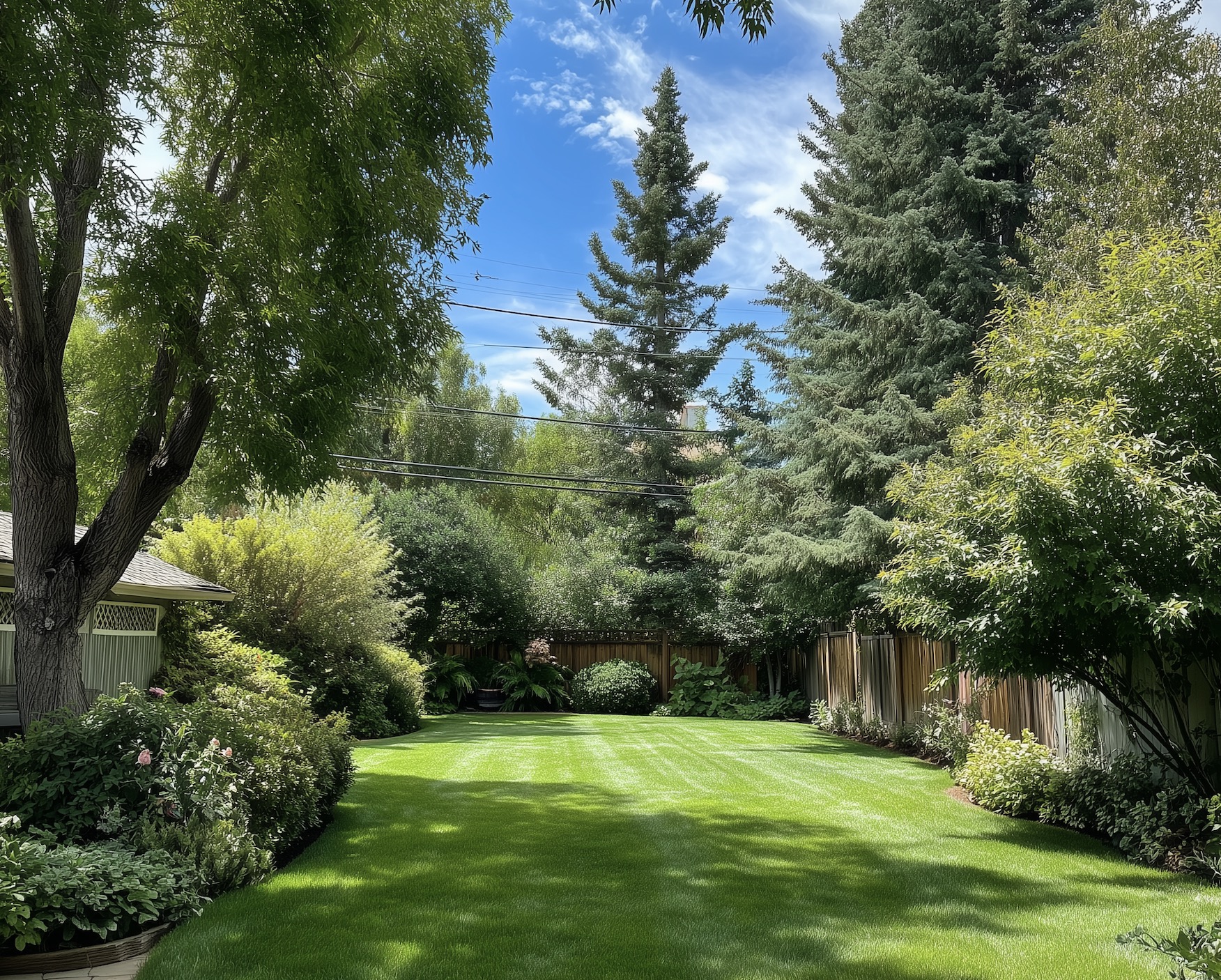
15+ best trees for backyard landscaping
The best trees for backyard landscaping, from small dogwoods and redbuds to big shade trees, with mature sizes, growth rates and picks by yard size.
-

5 fast growing evergreen trees for shade
Five evergreen trees for shade, from hemlock and arborvitae to juniper, white fir, and bamboo, with honest notes on shade tolerance and growth speed.
-

7 evergreen trees that grow in shade
7 evergreen trees that grow in shade, from eastern hemlock to Japanese yew, with mature heights, hardiness zones, and how much shade each tolerates.
-

17 fast growing evergreen trees for privacy
The fastest evergreen trees for privacy, with growth rates, mature sizes, and zones. Compare Leyland cypress, Green Giant arborvitae, spruce, and more.
-

Is Holly-Tone good for crepe myrtles?
Holly-Tone can feed crepe myrtles, best where soil tests neutral or alkaline. When to apply it, how much to use, and better picks for acidic…
-

Is Holly Tone good for magnolia trees?
Is Holly-tone good for magnolia trees? Yes. How much to use per inch of trunk, how to apply it at the drip line, when to…
-

When does a crepe myrtle bloom? Timing and how to get more flowers
Crepe myrtles bloom from early summer into fall. Learn what sets the timing, why a crepe myrtle won’t bloom, and how to prune and feed…
-

Are crepe myrtle roots invasive? Root spread, pipes, and planting distance
Crepe myrtle roots are shallow and fibrous, not invasive. See how far they spread, whether they damage pipes or sidewalks, and where to plant one…
-

Emerald Green arborvitae spacing for hedges, fences, and screens
Emerald Green arborvitae spacing: plant at least 3 feet apart for a hedge, 5 to 6 feet for single trees, and 2 to 4 feet…
-

Trimming Emerald Green arborvitae
Trimming Emerald Green arborvitae: prune in spring before new growth, cut to green foliage, avoid the bare inner zone, and skip late summer trims.
-

27 types of crabapple trees
27 types of crabapple trees with size, flower and fruit color, and disease ratings, from dwarf Sargent and fruitless Spring Snow to Dolgo for jelly.
-
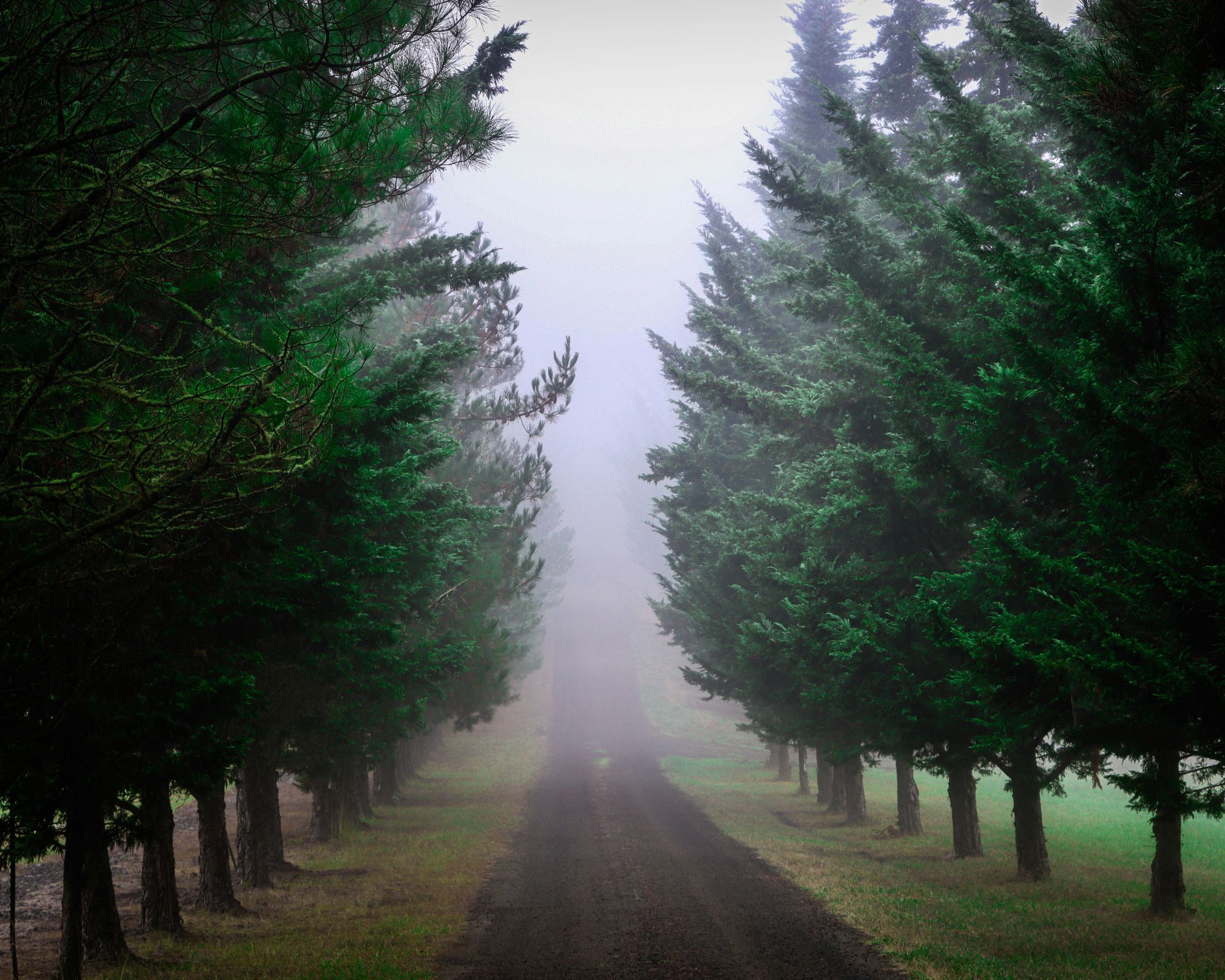
The best trees to line a driveway (14 picks and 2 to skip)
The best trees to line a driveway, from dogwood and Crimson Spire oak to Italian cypress, with mature sizes, zones, root spacing, and two trees…
-

8 fast-growing driveway trees
The 8 fastest-growing driveway trees, from hybrid poplar to Green Giant arborvitae, with growth rates, mature sizes, and which fast growers to skip.
-

When to prune maple trees
When to prune maple trees: late winter (February to March) or early summer after leaf-out. Sap bleeding is harmless. Skip fall pruning except dead wood.
-

Pleached hornbeam
Pleached hornbeam: what pleaching is, why European hornbeam suits it, how to plan, plant, train and prune a raised hornbeam screen, with RHS advice.
-

Magnolia blossoms
Magnolia blossoms by type: shapes, colors, sizes, and bloom times, plus how to grow great flowers and make them last in a vase.
-

Sargent crabapple: size, flowers, and care
Sargent crabapple guide: size (6 to 10 feet tall, wider than tall), spring flowers, red fruit, zones 4 to 8, soil, pruning, and disease resistance.
-

Betty magnolia
Betty magnolia is a late-blooming Little Girl hybrid that grows about 15 feet tall with large pink-purple flowers. Size, bloom time, zones, and care.
