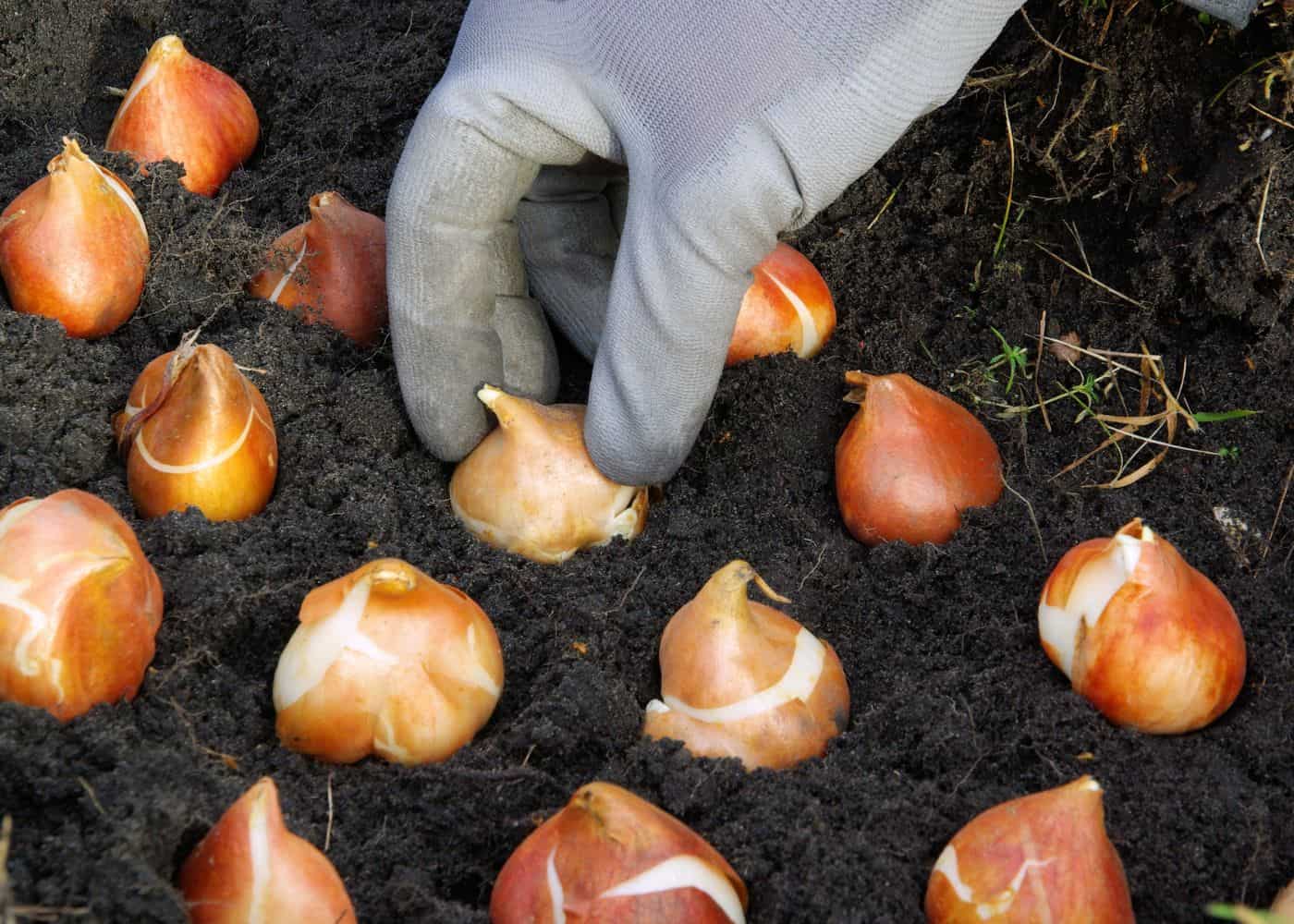
Fall is a great time to get your garden ready for the upcoming season. Planting bulbs in fall can be an easy way to add color and texture while also creating an inviting outdoor space. Bulbs are ideal for those with limited gardening experience, as they require minimal upkeep after planting. From tulips and daffodils to crocuses and hyacinths, there’s something for everyone when it comes to bulbs to plant in fall.

1. Tulip
Tulips are a beloved flower for many gardeners in North America. Tulips come in a variety of eye-catching hues and sizes, making them an ideal choice for any garden. Tulips require minimal maintenance but need special care during the planting and blooming season. When planted correctly, tulips will bloom year after year with little effort from you.
Timing is essential when putting in tulip bulbs; they should be planted during autumn, allowing roots to form before winter. Choose a sunny spot that gets at least six hours of direct sunlight each day during the springtime; otherwise, the flowers won’t bloom as brightly as they should.
Dig holes three times deeper than the height of your bulb before gently placing each one into its hole with the pointed end facing up. Finally, cover each bulb with soil until only their tips are visible above ground level, then water thoroughly to settle everything into place.

2. Daffodil
Daffodils are a widely sought-after flower with their bright hues and varying sizes. Their bright, cheerful blooms come in a variety of colors (like pink or white) and sizes, making them quite versatile in garden design. They’re also relatively easy to care for and will bloom year after year with minimal maintenance.
Depending on your climate, daffodils can be planted in spring or fall. Dig a hole double the bulb’s size before planting to ensure proper growth and blooming. Planting too shallow bulbs may result in poor or no flowering performance.
To ensure healthy growth, provide adequate drainage by adding organic matter such as compost or peat moss into the soil around each bulb before planting. Once they’re planted, water thoroughly and mulch over top to help retain moisture and keep weeds away from their tender foliage during their growing season (April-June).

3. Crocus
Crocus is a popular spring-blooming flower that’s easy to grow and maintain. It comes in a variety of colors, from deep purple to pale yellow, so it can easily be incorporated into any garden design. Fragrant and dainty, crocus blooms are ideal for sprucing up any outdoor area for early spring.
Crocuses prefer full sun and well-drained soil with plenty of organic matter added. They should be planted in the fall for best results, but they can also be planted in early spring when temperatures begin to rise above freezing. When putting in crocus bulbs, space them out with a minimum of 4 inches between each one and plant at least 2 inches deep.
Water them regularly during their growing season and fertilize them once per month with a balanced fertilizer mix for optimal blooms. Once established, crocuses will spread rapidly by self-seeding or through bulb division every few years if desired. With minimal effort required on your part, you’ll have beautiful blooms popping up each year without fail.

4. Hyacinth
Hyacinths, a type of spring-blooming bulb, come in an array of hues. They are popular for gardens, planters, and window boxes due to their long blooming period and fragrant flowers. Hyacinths can be planted during the autumn or early winter to enjoy their colorful blossoms in late spring.
Selecting a spot with either full sun or partial shade, plus soil that drains well is key when planting hyacinth bulbs. The bulbs should be placed 4 inches deep into the ground with at least 6 inches between each one so they have enough room to spread out during growth. Once planted, water them deeply once per week until new shoots appear above the soil surface – this usually takes about two weeks after planting.
Fertilizing your hyacinth plants will help them grow faster and stronger; use an all-purpose fertilizer every four weeks throughout their growing season (late winter through early summer). Additionally, you can add composted manure or other organic matter such as grass clippings around your hyacinth plants when preparing beds for planting – this will provide extra nutrients which help promote healthy growth.

5. Muscari
Muscari, also known as grape hyacinths, are a popular choice for North American gardeners. These delicate, aromatic blooms make for a simple-to-maintain addition to any garden, bringing a vivid hue of blue or purple in the early months. With their deep blue or purple flowers, Muscari adds an eye-catching pop of color to the garden in early spring.
Muscari prefers full sun but can tolerate some shade; however, too much shade will reduce flowering potential. When planting multiple bulbs together, space them about 3 inches apart so that each bulb has room to grow and spread out its roots. After planting, water thoroughly and mulch around the base of the plants to keep them moist during dry spells.

6. Lily
Lilies are a highly cherished bloom in North America, coming in an array of forms and dimensions to satisfy any horticultural preference. They come in a variety of shapes and sizes, making them an excellent choice for any garden. From classic white lilies to exotic varieties, there is something for everyone.
No matter what kind of lily you choose, they all need regular watering (at least once per week) along with good soil drainage so they don’t become waterlogged. This is especially important if planting in areas where rain may be abundant at times. With proper care and attention, these stunning plants can bring joy into any home, no matter how experienced or inexperienced a gardener may be.

7. Scilla
Scilla is a popular spring-blooming bulb, also known as the Siberian squill or wood hyacinth. It’s low-growing and easy to care for – perfect for gardeners who want beautiful blooms without a lot of fuss.
Scillas produce clusters of starry blue flowers in late winter or early spring. Fragrant blossoms, appealing to winged pollinators like bees and butterflies, can be found blooming in gardens thanks to the Scilla flower.
When planting scilla bulbs, choose an area with well-draining soil that gets plenty of sun during the day but is sheltered from strong winds at night. Plant them about 3 inches deep in groups of three or more for maximum impact when they bloom. Water regularly after planting until new growth appears, then reduce watering until it’s time to start again in the fall.

8. Lily of the valley
Lily of the valley, a fragrant flower native to Europe and Asia, is distinguished by its small white bell-shaped blooms growing in clusters on short stems. It has small white bell-shaped flowers that grow in clusters on short stems. Lily of the valley flourishes in damp, shadowy spots with a lot of natural matter like leaf debris or broken-down soil. Its fragrant blooms make it an ideal choice for attracting wildlife, while its need for cool climates and shade is a factor to consider when planting.
Lily of the Valley prefers cool climates but can tolerate some heat if given adequate shade and water. Choose an area with partial shade or dappled sunlight during the day. Plant bulbs at least 4 inches deep into well-drained soil enriched with organic material like compost or manure for best results. Water regularly throughout the growing season to keep plants healthy and flowering well; do not over-water as this can cause root rot.

9. Grecian windflower
Grecian windflower, or Anemone blanda, is a hardy perennial flower that can add texture and color to any garden. Native to the Mediterranean region, these flowers are relatively easy to grow in North American climates and thrive best when planted in early spring. With bright white petals surrounding a golden yellow center, Grecian windflowers bring classic beauty to gardens of all sizes.
The key to growing Grecian windflowers successfully is planting them at the right time and in the right location. These blooms favor soil with great drainage and abundant sunshine but can endure some shade during the hottest months. When planting your bulbs, make sure you dig deep enough so that each bulb has room for roots and shoots; if they’re too close together or too shallowly planted, they won’t bloom as abundantly as they should.
Once established in their new home, Grecian windflowers require minimal care throughout their growing season – just be sure not to overwater them or let them dry out completely between waterings. They don’t need much fertilizer either; however, it can help encourage better blooms if you fertilize lightly every few weeks during their peak season (late spring/early summer). As an added bonus: deer tend to avoid these beautiful little plants.

10. Checkered lily
The checkered lily (Fritillaria meleagris) is a stunning flower that’s sure to make your garden stand out. This eye-catching flower has an unmistakable bell shape with checkerboard-patterned petals of purple and white.
Moist soil is necessary for these perennial beauties, so keeping them hydrated in arid conditions is key. They also do best when planted in partial shade or dappled sunlight; too much direct sun can cause the flowers to fade quickly. Planting checkered lilies near other spring bloomers, like tulips or hyacinths, will create a beautiful display of color in your garden.
In terms of maintenance, these hardy plants don’t require much attention once they’re established. Deadheading spent blooms helps promote reblooming throughout the season, while dividing large clumps every few years will help keep them healthy and vigorous over time.

11. Allium
Alliums are renowned for their characteristic rounded flower clusters and scent. The allium family is a resilient and straightforward variety to cultivate, making it an excellent selection for gardeners of any aptitude. Alliums are most commonly planted in the fall.
For optimal blooms, select a sunny spot with good allium drainage and plant the bulbs or set 4-6 inches beneath the surface. Different varieties have different-sized bulbs, so be sure to read the instructions on your individual variety.
Finally, remember that these plants do attract pollinators so keep an eye out for bees buzzing around your garden beds when spring arrives. Mulching with organic matter helps retain moisture levels while providing essential nutrients back into the soil as it breaks down over time; this is especially important if you plan on harvesting your crop later in the season.

12. Dwarf iris
Dwarf iris is a beautiful and versatile flower that is perfect for North American gardens. This flower has an array of hues, forms, and heights, so you can effortlessly discover the right one for your garden. Dwarf iris typically grows between six inches and two feet tall, with delicate petals that can be white or shades of purple or blue. The flowers are usually fragrant and attract butterflies and hummingbirds.
These plants prefer full sun but will tolerate partial shade as well. They do best in moist soil with good drainage but can also tolerate some drought conditions if given enough water during dry spells. Dwarf irises require little maintenance once established; trim back any dead foliage at the end of the season to keep them looking their best year-round.

13. Glory of the snow
The glory of the snow is an incredibly beautiful and unique flower that adds a special touch to any garden. It’s one of the first to appear in gardens, often emerging amidst a season when many other plants remain inactive. Its delicate white petals form a star-like shape that stands out against the dark background of a cold winter day. The scientific name for this flower is Chionodoxa luciliae, but it is known as “glory of the snow” due to its bright appearance in snowy conditions.
This sun-loving, low-maintenance perennial flourishes in well-drained soil and requires regular pruning to keep it from spreading. It can reach up to six inches tall and will spread over time if not pruned back regularly. In addition, it prefers cooler climates so planting it too close to buildings or walls could cause it to suffer from heat stress during summer months. To ensure your glory of the snow blooms each year, make sure you give it enough water during dry periods without overwatering as this can cause root rot or fungal diseases like powdery mildew.

14. Winter aconite
Winter aconite (Eranthis hyemalis) is a beautiful and hardy perennial flower that blooms in the early spring. This small, bright yellow flower can bring life to your garden even when other plants are still dormant. It’s an ideal choice for North American women who want to enjoy some color in their gardens without having to be experts in gardening.
Winter aconite prefers moist soil and partial shade, making it perfect for planting under trees or shrubs. Its low-growing foliage of basal leaves makes it an excellent ground cover as well. It will also spread easily over time, so if you’re looking for something with more coverage, this might be the plant for you.

15. Snowdrop
Snowdrop is a beautiful, early-spring flowering bulb that will bring cheer to any garden. The snowdrop flower has an elegant white bell shape with green markings on the outside and inside. They are low-growing plants, typically reaching only 4-6 inches tall when in bloom.
Snowdrops prefer cool climates and moist soils and can tolerate some shade as well. When planting snowdrops, it’s important to choose plump and healthy bulbs with no signs of rot or damage. Plant them at least 6 inches apart so they have room to spread out once established; if you want more coverage, plant closer together for a thicker carpet of flowers each spring.
Snowdrops also require good drainage; be sure not to overcrowd them in poorly draining soil, or their roots may rot before the blooming time arrives. For best results, mix compost into your soil prior to planting your bulbs – this will give them extra nutrition during their first season in the ground.

16. Trout lily
Trout lily, also known as Dogtooth violet or Fawn Lily, is a beautiful perennial flower that blooms in early spring. This sturdy flower is native to the US, growing wild in damp wooded areas from the Atlantic seaboard out to Wisconsin. Trout lilies are easily recognizable by their unique mottled foliage resembling a trout fish’s markings. The flowers themselves are small and yellow with six petals arranged around an inner cluster of stamens.
The best time to plant trout lilies is in the fall when they’re dormant; however, if you live in an area with mild winters, it’s possible to transplant them any time during the year. When planting your trout lily bulbs, make sure they’re planted at least 4-6 inches deep so they have enough room for root growth before winter sets in. Once planted water them well but don’t overdo it – too much moisture will cause them to rot.

17. Fritillaria
Fritillaria is a genus of flowering plants comprising more than one hundred varieties, which are indigenous to temperate areas in the Northern Hemisphere. These perennial bulbs produce beautiful bell-shaped flowers with six petals and come in white, yellow, purple, pink, and blue shades. They are often seen growing in woodlands or meadows where they can form large colonies.
Frittilaria blooms appear early in spring when few other plants are showing signs of life. Gardeners seeking to enliven their outdoor spaces with hues and visual appeal during the chillier wintertime may find Frittilaria blossoms an ideal selection. The foliage is also attractive with its narrow leaves that grow up from the base of each bulb before arching outwards towards the ground as if reaching for sunlight above it.

18. Trillium
Trillium is a genus of perennial flowering plants native to North America. Trilliums are often spotted in wooded areas, with a range of shades and sizes. Trilliums come in white, yellow, pink, purple, or red flowers with three petals each. The leaves of trilliums typically appear green, though they may display a mottled or even purplish-red hue. The stems are typically short but may reach up to two feet tall when mature.
Trilliums make great additions to any garden as they require little maintenance and will bloom for several years if cared for properly. When planting trilliums, it’s important to choose the right location that has moist soil and partial shade since these plants prefer cooler temperatures during the summer months. To ensure proper growth, it’s best to dig holes twice as wide as the roots before planting them into your garden bed so that their root systems can spread out more easily once established.

19. Camassia
Camassia is a Asparagaceae genus renowned for its vibrant blooms in the early spring. They are known as “fall bulbs” and prized for their early spring blooms. Planting fall bulbs is an easy way to add color and texture to your garden with minimal effort.
When planting fall bulbs, it’s important to choose the right variety for your climate and growing conditions. Camassia is native to North America, so they can tolerate colder temperatures than many other bulb varieties. Choose smaller varieties if you live in cooler climates since they will bloom earlier than larger types.

20. Star of Bethlehem
Star of Bethlehem, or Ornithogalum umbellatum, is a perennial flower native to Europe and parts of Asia. It has been naturalized in North America, to the point where it has become invasive in some areas (so be sure to check with your local office).
The star-shaped flowers with six white petals open outward from the center. They have a yellow stripe down the middle of each petal and a single green pistil at their center. These blooms tend to appear during the later stages of spring and earlier parts of summer, drawing in a variety of insects seeking nectar.
FAQs about bulbs to plant in fall
Which bulbs should be planted in the fall?
When should bulbs be planted in the fall?
Should all bulbs be planted in the fall?
Before you go…
Fall is the perfect time to plant many different bulbs and jump-start your garden for next year. From tulips to daffodils, crocuses to hyacinths, lilies to scillas, and many more varieties of bulbs you can choose from, planting in autumn will ensure that come springtime you’ll be rewarded with beautiful blooms.
Resources
- September gardening tips and early fall yard work tasks
- The top fall gardening tips for a bountiful autumn harvest
- Bulb planters: The best bulb trowels, diggers, and auger drill bits
References
- Elliot, B. A. (2018). Catalogue of Bulbs, Trees, Shrubs, Vines and Hardy Plants for Fall Planting. FB&C Limited.
- Sansone, A. (2022, August 17). 12 Bulbs to Plant in the Fall for Springtime Flowers. Veranda Magazine. https://www.veranda.com/outdoor-garden/g40910185/best-bulbs-to-plant-in-fall/
- Zimmer, R. (2022, September 12). Fall is bulb-planting time. Wisconsin State Farmer. https://www.veranda.com/outdoor-garden/g40910185/best-bulbs-to-plant-in-fall/
Need more info?
Are you interested in learning more about flowering bulbs? Here are our best articles about it!



Leave a Reply