March is the month to reset the garden. The main job is to match your timing to the weather instead of the calendar. Use the month to clean up lightly, prepare beds without compacting wet soil, start the right seeds, prune while plants are still dormant, and get ahead of weeds before spring growth speeds up. In most home gardens, March is for setup more than planting summer crops. Cool-season vegetables, herbs, fruit trees, lawns, containers, and houseplants all benefit from a little attention now.

Check garden beds and soil before doing anything else
Start March by walking the whole yard and checking what winter changed. Look for raised crowns on perennials, broken branches, heaved shrubs, soggy beds, and mulch that has drifted away from plant bases. This is also the time to clear out dead annuals, pick up fallen twigs, and remove any debris that can shelter slugs or disease. Keep cleanup selective. Leave healthy new growth in place and avoid cutting back spring bulbs or perennials that are already pushing up.
Do not work soil that is still cold and sticky. If it forms a muddy ball in your hand, wait! Digging or tilling wet ground destroys structure and creates clods that last for months. Once the soil crumbles instead of smears, top-dress beds with compost and refresh mulch where it has thinned. This is also a practical time to do garden soil testing so you are not guessing about pH or nutrients before the growing season begins.

Start seeds and gather supplies before the rush
March is seed-starting month for many home gardeners. Warm-season crops such as tomatoes, peppers, and eggplants are often started indoors now so they are sturdy by transplant time. Herbs like basil can also be started indoors, while slow growers such as parsley benefit from an early start. Use fresh seed-starting mix, clean trays, and strong light from a bright window or grow lights placed close to the seedlings. Weak light is the main reason March seedlings become thin and floppy.
Label everything on day one. Seedlings look more alike than most gardeners expect. Water enough to keep the mix evenly moist, but not saturated, and provide airflow so stems stay firm. If you are building your spring plan now, a detailed seed starting guide helps with timing and setup. March is also a good month to restock potting mix, row cover, trellis supplies, plant markers, pruners, and hose washers before garden centers become crowded.

Plant cool-season vegetables as soon as the soil is ready
March belongs to cool-season crops. In many regions, this is the month for peas, spinach, lettuce, radishes, arugula, mustard greens, onion sets, and sometimes carrots, beets, and potatoes, depending on soil temperature and drainage. These crops prefer cool weather and often perform best when planted well before true spring warmth arrives. If your ground is still frozen or waterlogged, wait a little longer rather than forcing the issue.
Succession planting matters in March because weather shifts quickly. Instead of sowing a whole packet at once, plant a short row every 7 to 14 days. That gives you a longer harvest and lowers the risk of losing everything to one late freeze or sudden warm spell. Cover new sowings with row cover if nights are still cold, and protect seedlings from wind. For crop ideas that fit this part of the season, see these cool-season vegetables. Hold off on direct-sowing beans, squash, cucumbers, and corn until the soil is much warmer.
Wake up the herb garden without pushing tender herbs too early
Herbs need a split approach in March. Hardy herbs such as chives, thyme, oregano, sage, and mint can usually be cleaned up, divided, and lightly fed once new growth begins. Remove dead stems, but do not shear plants down to the crown if fresh shoots are already emerging. Mediterranean herbs dislike soggy roots, so check drainage before adding compost or fertilizer around them.
Tender herbs need more patience. Basil should stay indoors until frost danger has passed and nights are reliably mild. Parsley and cilantro can be started or planted earlier, but basil, lemongrass, and most warm-loving herbs should not be rushed outside in March. If you grow herbs in pots, this is a good time to refresh the top layer of mix or repot crowded plants. A container herb garden is often the easiest way to keep spring herbs close at hand, and a light, balanced fertilizer for herbs can help potted plants restart after winter.

Prune fruit trees and check berry patches before buds open fully
March is one of the best times to work on fruit trees while the branch structure is still easy to see. Remove dead, damaged, and crossing branches first. Then thin for light and airflow instead of making random cuts. Apples and pears are commonly pruned in late winter to early spring, while peaches and other stone fruits may need more region-specific timing depending on disease pressure and cold weather. The goal is a balanced canopy that can support healthy fruiting wood.
Do not forget berries. Older blueberries generally need pruning to remove weak or crowded wood and make way for productive branches. Raspberries should be tied to supports and cleaned up according to whether they fruit on first-year or second-year canes. Strawberries benefit from removing old leaves and renewing mulch as the patch wakes up. If you need a deeper refresher, read how to prune apple trees and when to prune blueberry bushes. March is also a sensible month to plan spring feeding because timing matters with fruiting plants.

Feed fruit trees and perennial crops only when growth is ready to use it
March fertilizer decisions should be deliberate, not automatic. Trees, shrubs, and perennial edibles do not need heavy feeding just because the season is changing. Feed only if the plant type benefits from spring nutrients, the soil needs support, or last year’s growth was weak. For fruit trees, the usual pattern is to fertilize as growth begins, not in the dead of winter and not so late that the tree is pushed into soft growth at the wrong time.
Compost is often enough for mixed garden beds, especially when soil is already healthy. Berry plants and strawberries may benefit from a targeted spring feeding, while established herbs usually need far less. Lawns, roses, and heavy-feeding vegetables are their own category and should be treated separately. For orchard timing, this guide on when to fertilize fruit trees is useful. In March, more plants are harmed by overfeeding than by being left alone for a few extra weeks.

Refresh houseplants as indoor light improves
Houseplants usually notice March before gardeners do. Day length increases, new leaves appear, and watering needs begin to rise. This is a good month to dust foliage, rotate pots, trim weak winter growth, and inspect for pests such as fungus gnats, spider mites, and scale. Resume fertilizer gradually for actively growing plants, but avoid feeding anything that is still resting or sitting in poor light.
Repot only the plants that need it. Roots circling the pot, water running straight through, or top-heavy growth are better reasons to repot than the calendar alone. When you do repot, move up just one container size in most cases. Oversized pots stay wet too long indoors. If you have seen gnats or other insects in late winter, this article on tiny bugs in houseplant soil can help with diagnosis. March is also a comfortable time to restart indoor edibles such as microgreens on a bright kitchen counter.

Handle the lawn gently and wait for active growth
Lawns often look rough in March, but aggressive fixes usually do more harm than good. Start by raking off branches and leaves so light and air can reach the grass. Avoid heavy traffic on saturated ground because footprints can compact the soil and damage crowns. Once the lawn starts growing, mow at the right height with a sharp blade instead of cutting it short to “clean it up.” Scalping stresses grass just when it is trying to recover.
Spring feeding depends on grass type and local climate, so avoid a one-size-fits-all routine. Many lawns benefit more from a light spring approach and stronger focus later, especially if they were fed properly in fall. Overseed bare spots only when conditions favor germination in your region, and keep seed evenly moist. March is also a good month to edge beds and reset lawn boundaries before weeds fill in. For broader seasonal upkeep, see this guide to lawn care.

Prepare containers, raised beds, and small-space gardens now
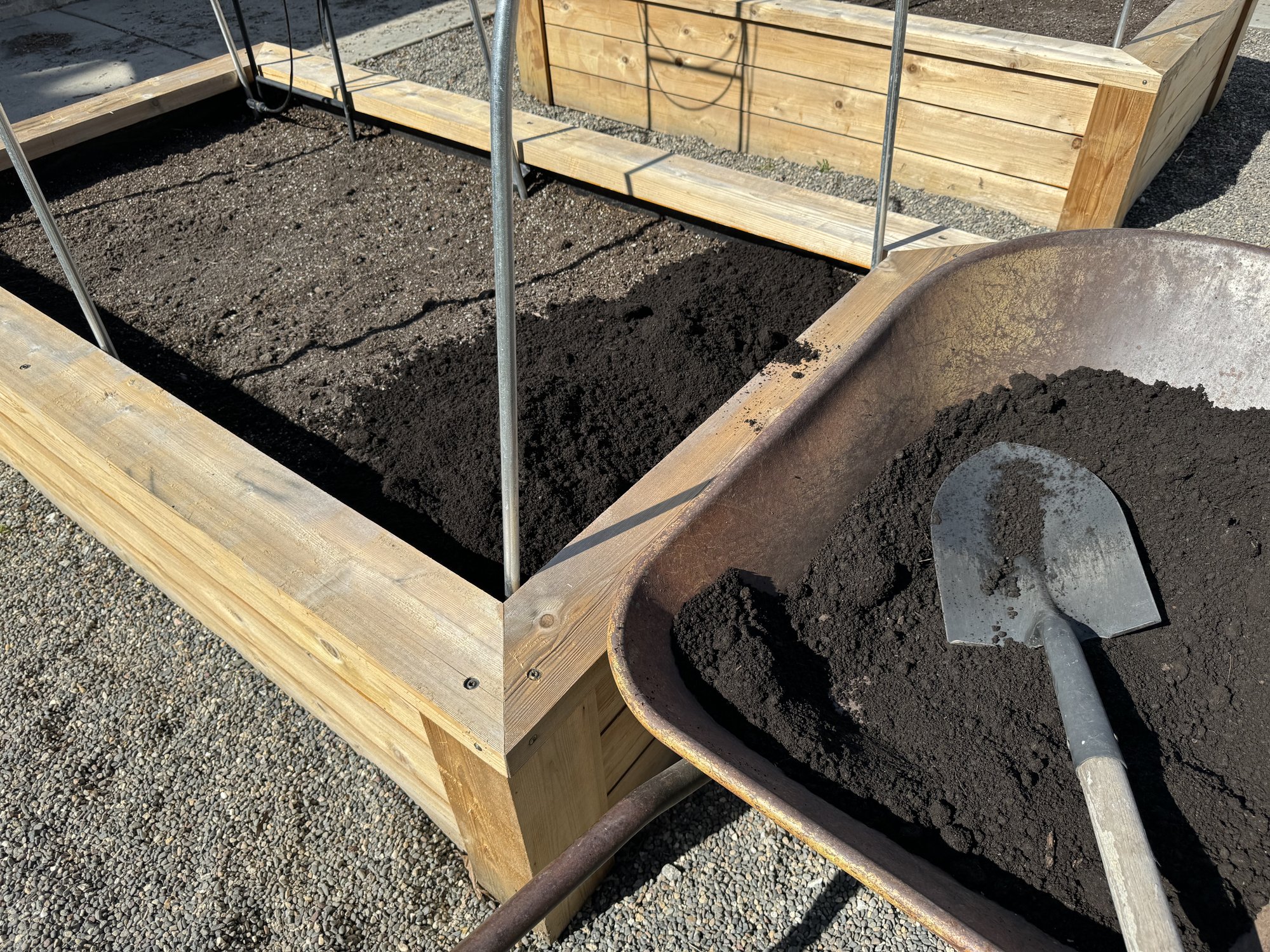
March is the easiest month to get pots and raised beds ready before they become crowded with growth. Empty and scrub containers that held annuals last year, check for cracked pots, and make sure drainage holes are open. Refresh old potting mix rather than reusing compacted media as-is. In raised beds, top up soil where winter settling left the surface low, and add compost to replace what last season removed.
Small-space gardens benefit from planning more than size. Decide now where supports will go for peas, cucumbers, or tomatoes so you are not pushing stakes into root zones later. Group containers by water need, not by appearance alone. A thirsty pot of lettuce should not share an irrigation pattern with drought-tolerant rosemary. March is also a good time to place saucers, drip lines, or self-watering setups before spring winds and warmer temperatures speed up drying.

Watch for weeds, slugs, and early pest problems before they spread
Many March garden problems are small enough to solve by hand. Weed seedlings are easy to remove now and much harder a month from now. Pull them when the soil is moist and before they flower. Refresh mulch after weeding so new weed seed gets less light. Check under boards, pots, and dense groundcover for slugs and snails, especially in damp gardens. Early control is usually more effective than trying to recover chewed seedlings later.
This is also the time to monitor, not panic. Look at buds, stems, and the undersides of leaves for eggs, scale, or distorted growth. Clean tools between plants when pruning, and do not compost obviously diseased material unless your compost system runs hot enough to handle it. A calm March inspection routine prevents a lot of trouble in April and May. Most spring setbacks start as small issues that were easy to catch a few weeks earlier.

Seed companies I like
These are the seed companies I order from for my own garden.
- Botanical Interests: beautiful packets with growing notes printed inside
- High Mowing Organic Seeds: certified organic, grown in Vermont
- True Leaf Market: big selection of hybrids, microgreens, and cover crops
Some links earn me a commission at no cost to you. As an Amazon Associate I earn from qualifying purchases.




Leave a Reply