
Looking for flowers that have the cheerful, sunny look of sunflowers? This list features over 15 blooming plants with a similar shape, color, or structure. From classic yellow petals and dark centers to tall stems and bold faces, these sunflower lookalikes bring the same bright energy to gardens and bouquets.

1. Black-Eyed Susans
The Black-Eyed Susan, botanically named Rudbeckia hirta, is a native North American plant just like the sunflower. The dark green foliage on this amazing plant looks lovely in any garden. They are also known as the gloriosa daisy with their spoon-shaped leaves.
They grow up to 3 meters tall and 2 feet wide. Black-eyed Susans bloom from spring into fall. They don’t have a brown center like many sunflower varieties, but they are just as striking.

2. False sunflowers
False Sunflowers, also called Oxeye Sunflowers, are perennial plants that grow to 6 feet tall and 3 feet wide. Botanically called Heliopsis helianthoides, they have a brown center, just like sunflowers (but they have the added benefit of returning from their roots every year!).
Their leaves are slightly different because they are serrated and not triangular like a sunflower. False sunflowers love partial sun or full sun and prefer well-drained soil.

3. Yellow coneflower
Also known as the Echinacea paradoxa, the Yellow Coneflower grows up to 3 feet tall and 1.5 feet wide. they resemble a Black-Eyed Susan and have a dark brown center. The yellow petals radiate out from the middle in a nice sunflower pattern. The seeds on spent flowerhead attract pollinators like birds and butterflies.

4. Calendula ‘Orange King’
This cultivar of Calendula officinalis is very popular. Gardeners love this sunflower-like plant. It attracts beneficial insects and helps trap pests. These flowers grow up to 2 feet tall and about a foot wide (larger than many other cultivars). They are a great addition to any garden and will brighten it up just like a sunflower would.

5. Gerber daisies
The gerber daisy, Gerbera jamesonii, comes with cheery petals just like sunflowers. They are low-maintenance once planted and can live in full sun or partial shade. When fully grown, they are about 4 feet tall. These annuals bloom mostly from summer into fall. And while lots of colors are available, you can certainly grow only yellow cultivars to get a consistent sunflower look.

6. Japanese sunflower
Japanese sunflower (Tithonia diversifolia) is a shrubby plant that is considered a weed in many areas. These plants look like wild sunflowers but are smaller in comparison. They often resemble bush daisies.
They are self-seeding perennials that can help improve soil quality in areas where they are not invasive. They prefer full sun and well-draining soil. They can bloom year-round in warm areas.

7. African marigold
Tagetes erecta, or the African marigold, is a busy flower with fragrant blooms. They have compound fluffy flowers that look like certain compound sunflower varieties, such as Teddy Bear Sunflower. They look amazing when clumped together in a vase or growing outside.
They love full sun and well-drained soil. They attract butterflies and hummingbirds and are great pollinating plants. You will see them in various colors, but the yellow and orange ones resemble sunflowers nicely.

8. Golden tickseed
Golden tickseed, or Coreopsis tinctoria, comes from North America. It is usually seen in yellow with red and orange accents. They attract helpful pollinators like bees, butterflies, and others. It blooms year-round when conditions permit, but mainly in the spring and fall in temperate zones. These plants grow best in well-draining soil and are drought tolerant once established.

9. Florist’s daisy
Also known as Chrysanthemum x morifolium, the florist’s daisy is a lovely flower shaped like a sunflower. Varieties like ‘Bronze Decorative’ make particularly good sunflower substitutions.
This flower from the daisy family ranges in color from white to yellow, to purple, and to green. It has compound flowers just like sunflowers and yellow centers. Some are extremely busy, so much so that you can barely see the center.

10. Zinnia
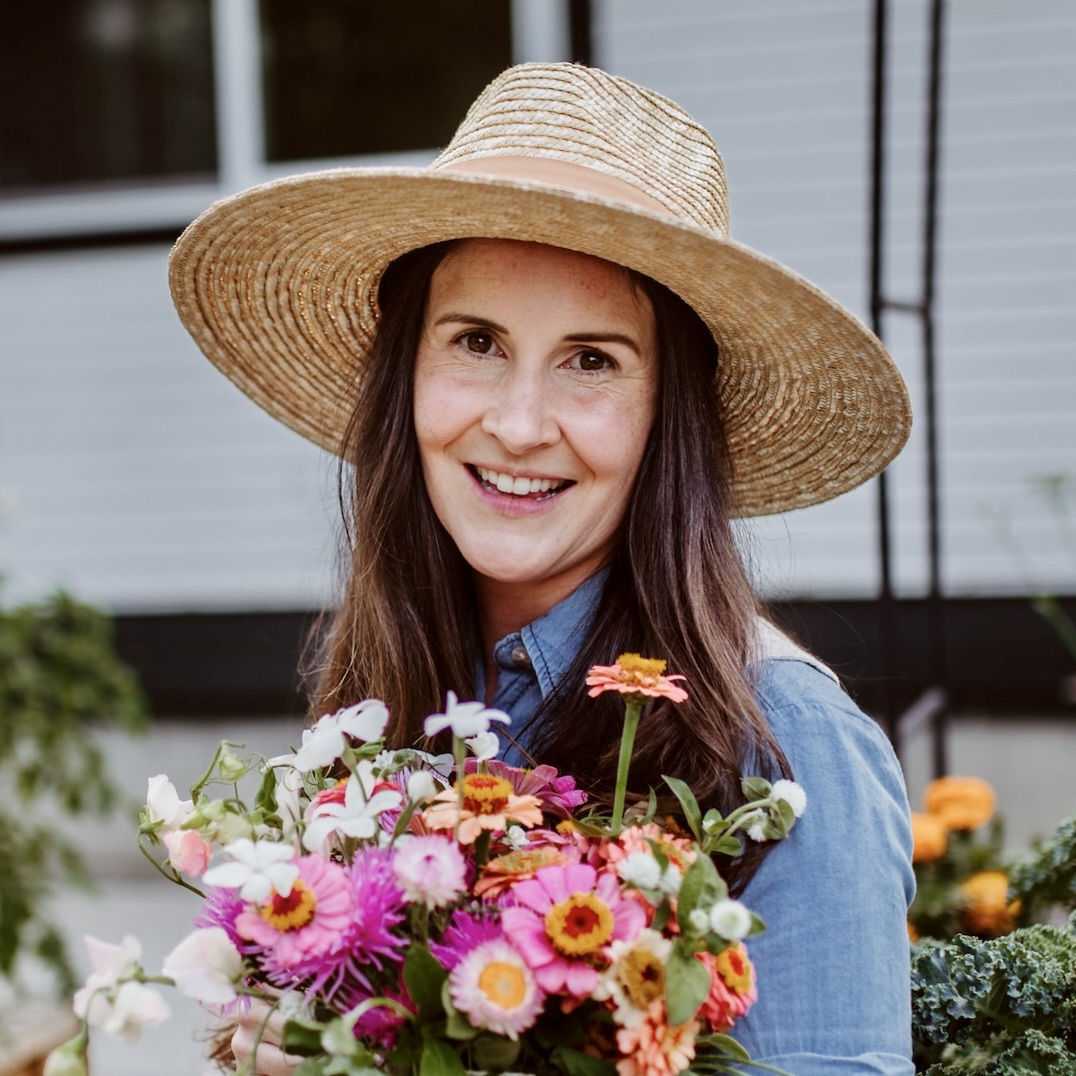
Zinnia is a genus of flowers that look like sunflowers and are often yellow or orange. They have some stark differences but many of the same qualities as sunflowers. Their petals are both thin, and their colors shine brightly. These flowers prefer plenty of sun and well-drained soil. While most zinnia cultivars grow to be about 3 feet tall when they bloom, there are some shorter varieties that make a great substitute for mini sunflowers.

11. Golden Marguerite
Golden Marguerite (Anthemis tinctoria), sometimes called yellow chamomile, is a perennial with daisy-shaped yellow flowers. These flowers resemble sunflowers but have a much rounder shape. They are also much smaller in size. They are golden in color and very bright when planted en masse in the landscape. They are extremely fragrant and have abundant blooms during the summertime.

12. Mexican marigold
Mexican Marigold (Tagetes lemmonii) is a small flowering evergreen shrub. They have fewer petals than a sunflower but they petals are wider. The petals are often lighter in color than the central disk. They even bloom in wintertime in warm climates. The plants are deer resistant and have lovely green foliage in the background.

13. Mexican sunflower
Mexican sunflower (Tithonia rotundifolia) is a warm-season annual flowering plant. This flower loves hotter climates and grows quite tall. Butterflies and hummingbirds will seek these pollinator favorites out. Dwarf varieties are now available if you need a shorter or more compact plant for your space.

14. Desert marigold
The desert marigold (Baileya multiradiata) is a fluffy-looking flower that resembles a mini sunflower. They are bright yellow or orange flowers with a saffron-colored central disk. The petals merge to form an almost perfect circle. As the name suggests, these plants grow well in gravel, rock, desert, and Mediterranean gardens.

15. Swamp sunflower
The swamp sunflower (Helianthus angustifolius) is fantastic because it can be grown in wetlands and in garden soil that tends to retain water. They are perfect to plant near lakes, ponds, and rivers. This plant flowers in clusters, not off of one single stem. Plant them in full sun for the most flowers.

16. Arrow Leaf Balsam Root
Arrow Leaf Balsam Root, also known as Okanagan Sunflower, is a North American native plant. This drought-tolerant native wildflower is known for its bright yellow, sunflower-like blooms and deep taproot. It thrives on sunny slopes and in dry grasslands across western North America, including the Okanagan region where it serves as the official flower of Kelowna, BC.
This early-spring bloomer supports native pollinators and provides nutritious forage for deer, elk, and small mammals. Its deep taproot, sometimes over 8 feet long, helps stabilize soil and resist erosion, making it valuable for dryland restoration. Once established, the plant needs no maintenance, with leaves and flowers naturally dying back in summer. While showy and ecologically important, it’s extremely slow to establish and shouldn’t be dug from the wild. Arrow-leaf balsamroot is best appreciated in naturalized settings where it can thrive undisturbed.



Leave a Reply