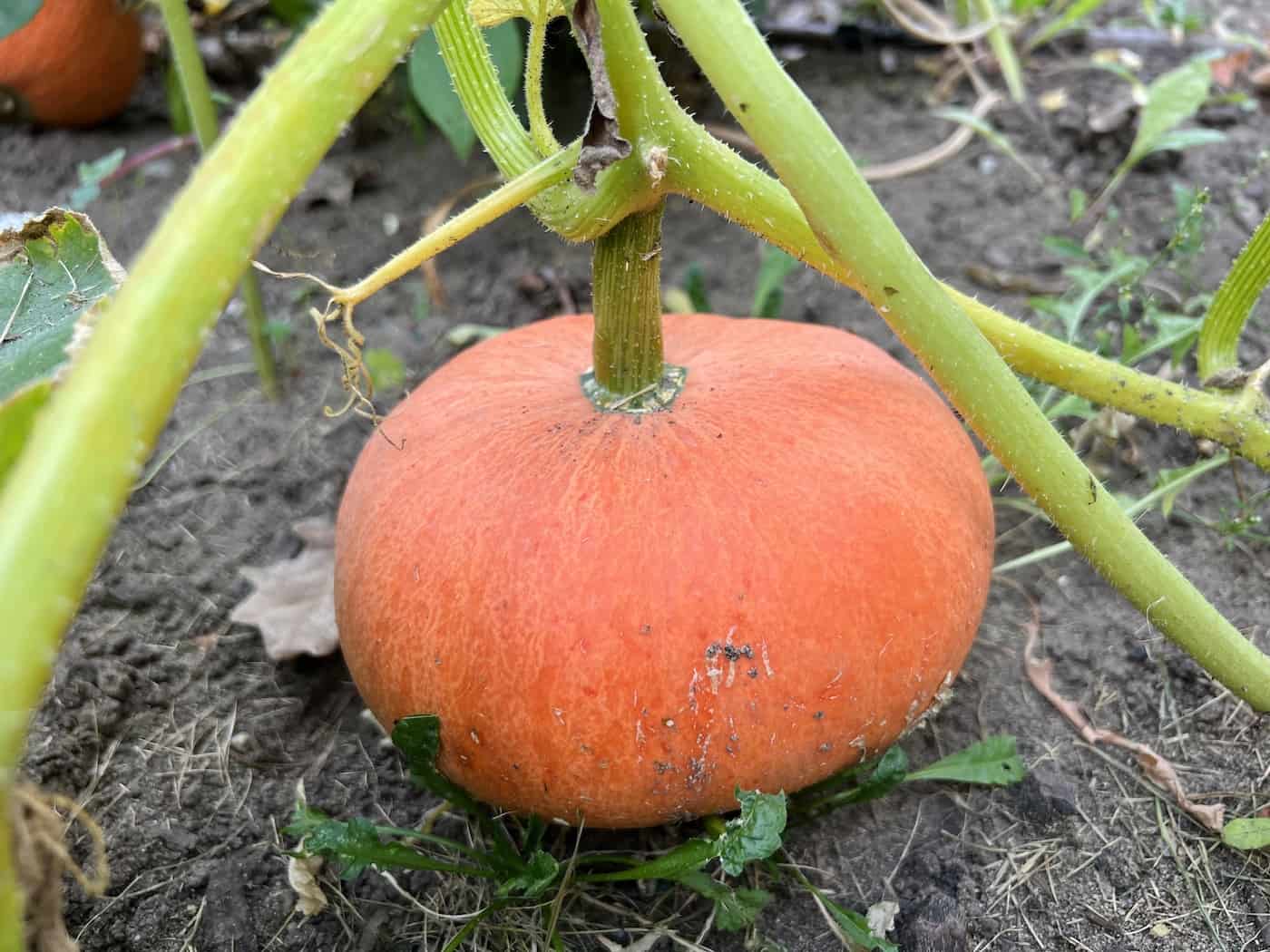
The Nicaise pumpkin is a French heirloom culinary variety selected for flavor, moderate size, and reliable production in home gardens. It is a Cucurbita maxima type that produces 4 to 6 lb fruit with dense, richly flavored flesh suited to traditional European preparations. The variety traces to market gardeners near Paris in the early twentieth century and was noted in French horticultural literature as a productive garden pumpkin.
History and origin
The Nicaise pumpkin appears in the 1925 edition of Les Plantes Potagères by Vilmorin-Andrieux, one of the most influential French seed houses of the nineteenth and early twentieth centuries. In that reference, the variety is described as a productive selection favored for home gardens. It was selected and named for the Nicaise brothers, market gardeners working near Palaiseau, south of Paris. At the time, the region supported intensive vegetable production for Paris markets, and selections that combined manageable size with strong eating quality were valued.
Unlike very large field pumpkins bred for livestock feed or exhibition, Nicaise developed within a market gardening tradition focused on kitchen use. French gardeners historically distinguished between large winter squash for storage and smaller, refined types suited to gratins and soups. The Nicaise fits within that culinary lineage. Its survival into modern seed catalogs reflects continued interest in heirloom varieties with documented regional origins.

Botanical classification and growth habit
Nicaise pumpkin belongs to the species Cucurbita maxima. This species includes many winter squash and pumpkins known for thick flesh, relatively dry texture, and strong storage potential. Compared to Cucurbita pepo pumpkins, C. maxima types often show broader leaves, thicker peduncles, and more rounded fruit shapes.
Plants produce long, trailing vines that require space. Internodes extend steadily during warm weather, and lateral vines form as the plant matures. Leaves are large and slightly lobed, providing significant canopy cover once established. Flowers are monoecious, bearing separate male and female blossoms on the same plant. Pollination depends on insect activity, primarily bees.
Fruit mature in approximately 85 days from direct seeding under favorable conditions. This places Nicaise in the mid-season range for C. maxima varieties. Consistent warmth and adequate soil fertility support steady vine growth and fruit set.
Fruit characteristics and culinary quality
Nicaise pumpkins typically weigh between 4 and 6 lb at maturity. This moderate size suits household cooking. The rind hardens fully at maturity, contributing to storage life when cured properly. Flesh is dense and dry compared to watery carving pumpkins. The flavor is often described as refined and rich, with a depth that develops further after short storage.
In traditional French cooking, pumpkins of this type are used for gratins, purées, and soups. Their relatively low moisture content allows them to roast without collapsing into excessive liquid. Cubed flesh holds structure in baked dishes and develops caramelized edges at oven temperatures above 375°F (190°C). When puréed, the texture is smooth and cohesive, reducing the need for additional thickeners in soups.
The 4 to 6 lb size also reduces waste. A single fruit can be used across multiple meals without overwhelming storage space. For home cooks seeking controlled portions and consistent texture, this size range remains practical.

Site selection and sun requirements
Nicaise pumpkin requires full sun. A minimum of 8 hours of direct sunlight per day supports vine development and fruit maturation. In northern climates within USDA Zone 4 to 6, choose the warmest available garden location with good air circulation. In hotter regions such as USDA Zone 8 to 10, full sun remains appropriate, but consistent irrigation becomes more critical during high heat.
Soil should be fertile and well drained. C. maxima varieties respond strongly to organic matter. Incorporate finished compost before planting to improve structure and nutrient availability. A soil pH between 6.0 and 6.8 supports nutrient uptake. Avoid compacted soils that restrict root expansion.
Temperature and germination
Seeds germinate best at soil temperatures between 70°F and 95°F (21°C to 35°C). Under these conditions, emergence typically occurs within 5 to 10 days. Soil temperatures below 60°F (16°C) slow germination and increase risk of seed rot. Cold, saturated soil can cause failure before seedlings emerge.
Wait until after the last expected frost date before direct seeding outdoors. Seedlings are not frost hardy. Even light frost can damage or kill young plants. In cooler climates, use black plastic mulch or row covers to increase soil warmth during establishment.
Optimal vegetative growth occurs when daytime air temperatures remain consistently above 70°F (21°C). Prolonged periods above 95°F (35°C) may reduce fruit set if pollination is affected by heat stress.

Planting and spacing
Direct seeding is standard practice. Sow seeds ½ to 1 inch deep in warm soil. Plant spacing should range from 18 to 36 inches between plants, depending on whether vines will be trained or allowed to sprawl freely. Rows should be spaced widely enough to accommodate vine spread, often 6 feet or more.
Transplants can be used to extend the growing season in short-season regions. Start seeds indoors approximately 3 weeks before the anticipated outdoor planting date. Use biodegradable pots or large cells to minimize root disturbance. Cucurbita maxima roots do not tolerate transplant shock well. Do not allow seedlings to become rootbound. Plant outdoors only after frost risk has passed and soil temperatures have reached at least 65°F (18°C).
Handle transplants gently. Disturbing roots during planting can delay growth and reduce early vigor.
Soil fertility and water management
Pumpkins do best in rich soil. Heavy feeders such as C. maxima benefit from balanced fertility. Incorporate compost before planting and consider side dressing with additional compost once vines begin to run. Avoid excessive nitrogen after flowering begins, as this can promote vine growth at the expense of fruit development.
Consistent moisture supports steady growth. Provide approximately 1 inch of water per week through rainfall or irrigation, adjusting for soil type and temperature. Water at the base of plants to reduce leaf wetness and limit disease pressure. Mulching helps retain soil moisture and moderate temperature fluctuations.

Pollination and fruit set
Like other pumpkins, Nicaise depends on insect pollination. Each female flower must receive viable pollen during the morning hours when blossoms are open. Poor pollination can result in misshapen fruit or early fruit drop. Maintaining pollinator habitat and avoiding insecticide use during bloom improves fruit set.
In small gardens, hand pollination is possible. Transfer pollen from a freshly opened male flower to the stigma of a female flower using a small brush or by direct contact.
Harvest and curing
Harvest when the rind becomes very hard and resists puncture by a fingernail. The fruit surface will appear mature in color and the stem will begin to dry. Harvest before the first hard frost. Although mature fruit tolerate cool weather, freezing temperatures can damage the rind and shorten storage life.
Cut fruit from the vine with several inches of stem attached. Avoid lifting by the stem alone. Cure harvested pumpkins in a dry, well ventilated space at 75°F to 85°F (24°C to 29°C) for 10 to 14 days. Proper curing strengthens the rind and improves storage quality.
After curing, store at 50°F to 60°F (10°C to 16°C) with moderate humidity. Under suitable conditions, C. maxima pumpkins can store for several months. Inspect regularly and remove any fruit that show soft spots.
The Nicaise pumpkin remains valued for its manageable size, documented French heritage, and suitability for classic kitchen use. Its combination of mid-season maturity, strong flavor, and productive vines reflects the priorities of early twentieth century market gardeners and continues to serve home growers seeking a culinary-focused heirloom.



Leave a Reply