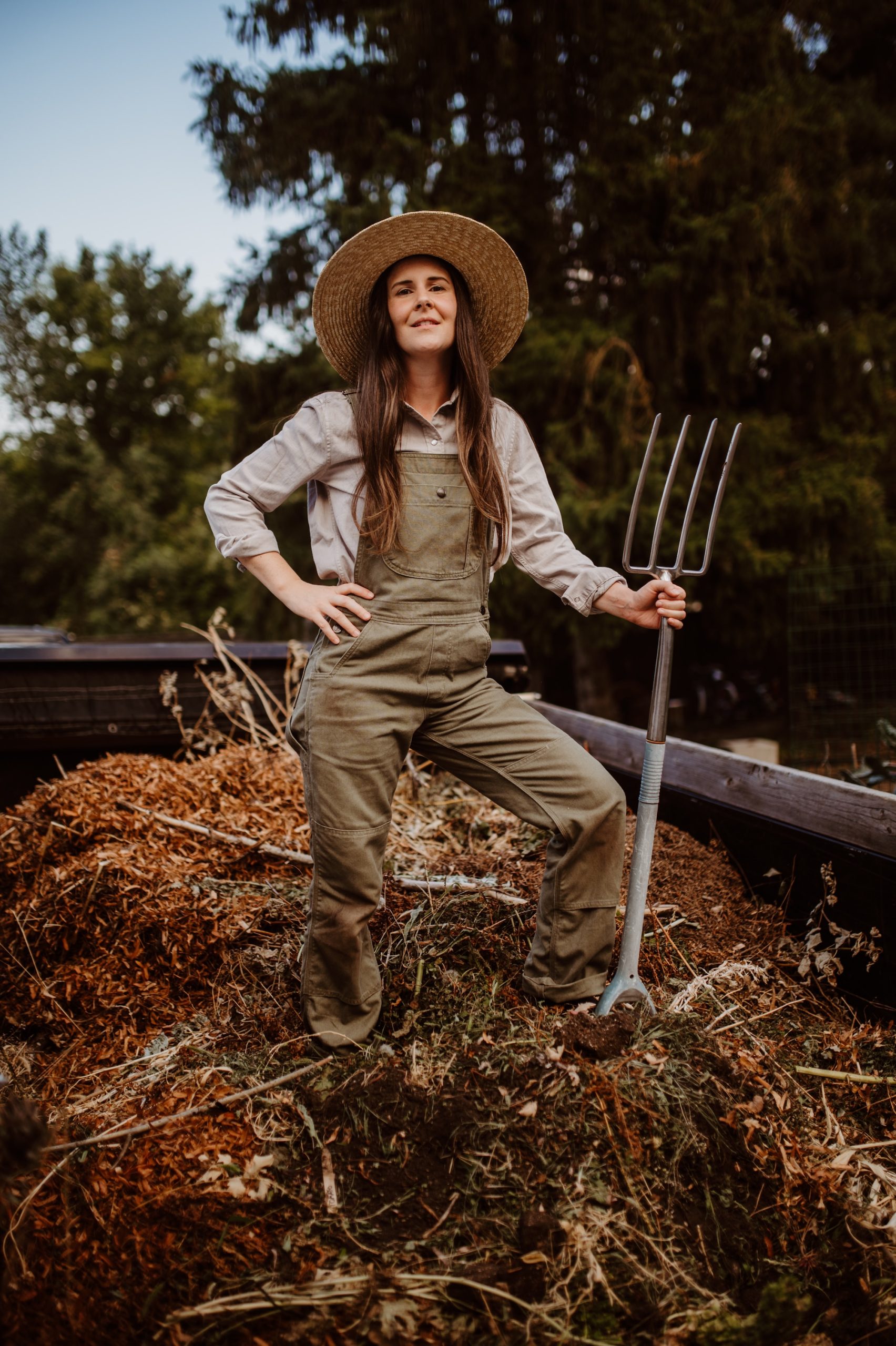
October is a month for cleaning, planting, and preparing. The days are shorter and nights are colder. Most plants begin to slow down, and some stop growing altogether.
Here is a list of gardening tasks that are useful to complete in October.
1. Harvest tender crops
Frost kills warm-season plants like tomatoes, peppers, squash, and basil. Pick everything before your first frost if you can.
Bring green tomatoes inside to ripen. Pull basil and use it, freeze it, or dry it. Bring in pumpkins and squash, or at least pull them onto a covered porch. Try not to leave these crops in the garden during a freeze if at all possible.
2. Weed one more time
Even in October, new weeds keep showing up. Some may have slipped through earlier cleanups, while others germinate in fall and stay dormant through winter.
Pull out any large weeds by hand, making sure to remove the roots. Then, use a sharp, shallow hoe to slice off small, newly sprouted seedlings just below the soil surface. Rake the soil smooth after weeding so it settles evenly before freezing. A flat surface prevents the ground from freezing into hard, uneven lumps and makes spring prep easier.

3. Clean up spent plants
Most dead annuals and spent vegetable plants should be removed in the fall. While a few hardy plants like kale and parsley can overwinter, many garden favorites will have packed it in by mid-October. These old plants can harbor pests and diseases over winter. We want to leave a nice healthy clean slate for spring.
Pull small plants up by the roots. Larger plants can be trimmed off at the base to minimize soil disturbance and support a healthy soil ecosystem. Rake up fallen fruit and leaves.
Compost healthy materials. To minimize future problems, don’t compost anything that was diseased or infested with pests. These items are best sent to municipal hot composting for disposal.
4. Cut back perennials
Many herbaceous perennial plants benefit from a fall trim. Use clean pruners. Remove stems and leaves that are brown or soft. Cut stems to a few inches above the soil.
Leave some seed heads for birds and other creatures if you like. Some nice options to leave standing are ornamental allium, coneflower, rudbeckia, sedum, bee balm, and yarrow. Don’t cut woody plants like lavender or rosemary unless they need it due to damage or disease.
5. Dig up tender flower bulbs
Some flower bulbs cannot survive frozen ground. This includes dahlia, gladiolus, and canna bulbs.
Cut back the leaves and use a garden fork to lift the bulbs after the first light frost. Let them dry for a week in a cool area.
Store in peat moss, sawdust, perlite, or vermiculite in a container. Keep them in a dark spot around 40 to 50 degrees Fahrenheit. Check them every month and remove any bulbs that show signs of rot.

6. Plant hardy flower bulbs
Hardy flower bulbs like daffodils, tulips, allium, lily, hyacinths, and crocus are typically planted in the fall. Many need a cold period to bloom. Plant them now while the soil is still workable (before it freezes).
Place each bulb two to three times as deep as it is tall. Point the tip up towards the sky. Water deeply immediately after planting. This will wake up the bulb from dormancy and help it develop roots before the soil freezes.
7. Plant garlic
If you haven’t planted garlic already, now is the time. Planting garlic in October sets up the bulbs to grow strong roots before winter. In areas where the ground freezes hard, plant garlic a few weeks before the soil freezes so the roots can establish.
Place each clove with the pointed end up, about three inches deep. Space cloves four to six inches apart in rows eight to twelve inches apart. Cover the bed with a two- to four-inch layer of straw or leaves after planting to protect the cloves from frost heaving.

8. Mulch your beds
A thick layer of protective winter mulch protects plant roots and keeps soil temperatures steady. Spread a few inches of shredded leaves, bark, or straw around your plants. Keep mulch away from the base of stems and trunks. This extra mulch insulates the soil and minimizes temperature and moisture fluctuations.
9. Rake and compost leaves
Leaves that stay on the lawn can smother the grass. Rake them up and shred them, or mow them into small pieces. Add them to a compost pile to create leaf mold. You can mix in green material like kitchen scraps or coffee grounds. Or, use chopped leaves as mulch on garden beds. This recycles nutrients while clearing the lawn.

10. Divide perennials
Perennials that have grown too large can be divided now. Use a sharp spade to lift the whole clump. Cut it into smaller pieces, each with roots and shoots. If you don’t want to lift the entire clump, you can remove “pie slices” and pull up only those portions. Replant the divisions right away and water well.
11. Plant a cover crop
Cover crops protect bare soil over winter and add nutrients. Spread seeds of clover, oats, or rye over empty vegetable garden or annual flower beds. Rake lightly and water after planting. These plants grow quickly and hold the soil in place. In spring, cut them down before planting.
12. Protect shrubs from animals
Animals like deer and rabbits eat bark and buds in winter. Wrap young trees with mesh or tree guards. Spray repellents if needed. Clean up dropped fruit and nuts that may attract animals. This can minimize damage during cold months.

13. Water deeply
Plants do better in winter when the soil is moist. Dry soil can damage roots during freeze-thaw cycles. Water trees, shrubs, and perennials deeply before the ground freezes. Let the sprinkler run soak the ground so the plants go into winter with adequate moisture.
14. Bring houseplants inside
Tropical plants should come indoors when nighttime temperatures drop near 50 degrees Fahrenheit. Check the plants for pests and rinse the leaves (including the back of the leaves where they love to hang out). You might also wish to spray with an organic pest spray, and consider replacing the top inch of soil with fresh potting mix. Once indoors, place them near bright windows or under a dedicated plant light. I like to put a yellow sticky stick in the container too just to monitor for any flies or gnats that might hatch.

15. Plant trees and shrubs
Fall is a good time to plant long-lived woody plants because the soil is still warm. Dig a hole wider than the pot. Set the plant at the same depth it grew in the container. Fill the hole with the soil that came out of it and press the soil down. Water well and add mulch around the base. Do not bury the trunk or place mulch against it.
16. Protect containers
Clay and ceramic pots can crack in winter. Empty and store them indoors or upside down. For plants that stay in containers outside, wrap the pots in burlap or move them to a sheltered place.
17. Write down garden notes
Take notes now while your memory is fresh. Record what worked and what failed. Keep seed packets or photos and sketch ideas for new beds. This helps you plan better next year and saves time in spring.




Leave a Reply