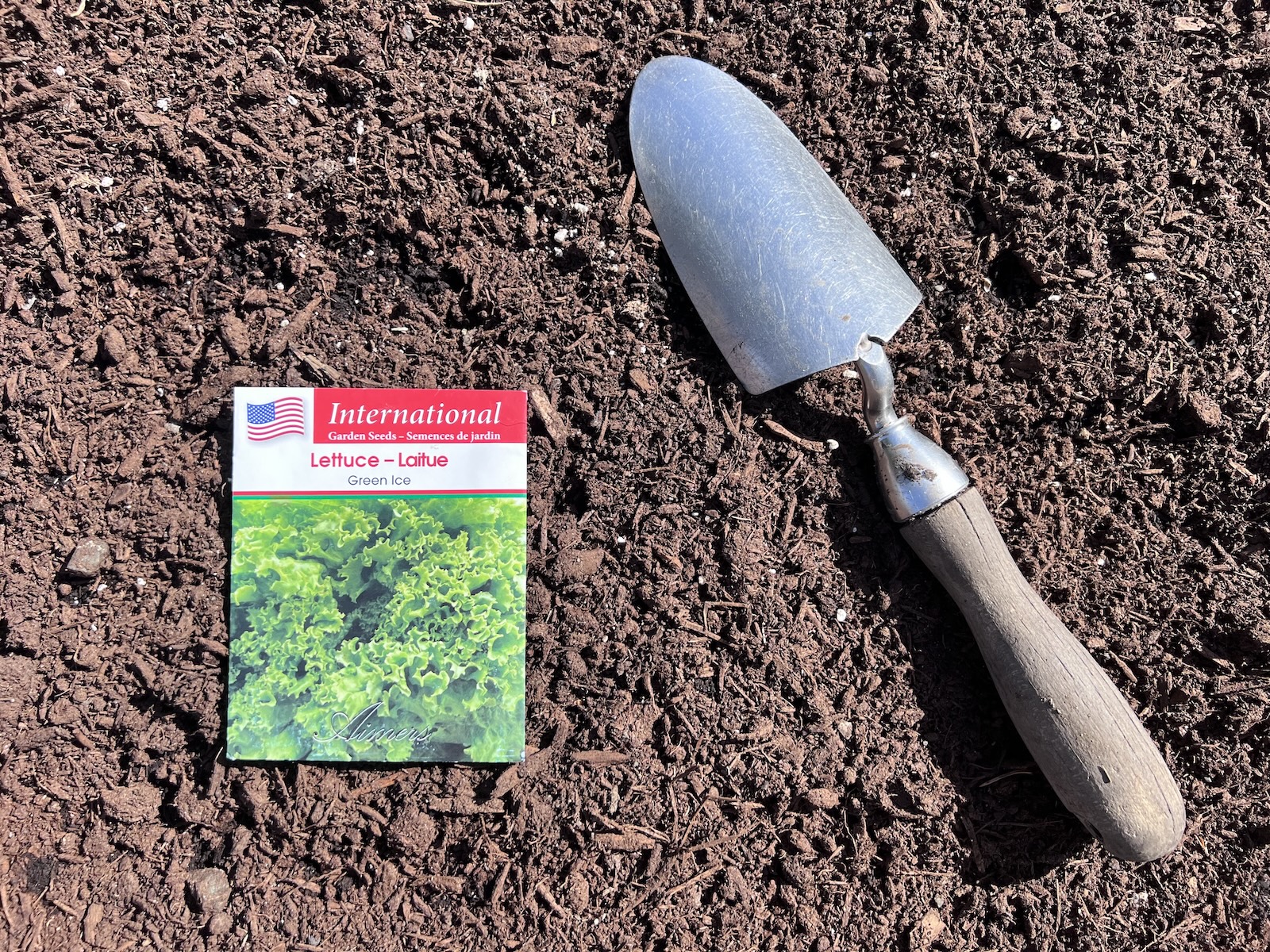
Outdoor seed starting is an easy way to grow plants directly in your garden without needing indoor seed starting equipment.
First, choose a sunny spot with good soil and make sure it’s free of weeds. Loosen the soil with a rake or trowel and mix in some compost for nutrients. Rake the soil surface flat.
Check the seed packet for planting depth, spacing, and timing. Some seeds, like peas and lettuce, can be planted early in spring, while others, like beans and squash, need warmer soil.
Plant seeds at the recommended depth, cover them lightly with soil, and water gently to keep the soil moist but not soggy. Mark rows or sections with labels to keep track of what you’ve planted.
Continue to water regularly and thin seedlings as they grow if they’re too crowded. With patience and care, you’ll soon have strong, healthy plants ready to thrive!

Outdoor soil preparation
To prepare outdoor soil for planting seeds, start by removing weeds and any debris to create a clean planting area. Next, use a garden fork or trowel to loosen the top 1–2 inches of soil, breaking up clumps to improve drainage and make it easier for roots to grow.
Mix in a layer of compost to add nutrients and improve soil structure, ensuring your seeds have a healthy environment to sprout. Once the compost is blended in, rake the soil flat to create a smooth, even surface for planting. This step ensures good seed-to-soil contact, which helps with germination and promotes even growth.

Plant selection for seed sowing outdoors
Some seeds grow best when planted directly outdoors because they don’t transplant well or need specific soil conditions to thrive. These seeds are typically cold-hardy, fast-growing, or have delicate roots that are easily disturbed.
Examples include:
Root vegetables
Carrots, radishes, beets, and parsnips prefer direct sowing since their roots are easily damaged during transplanting.
Leafy greens
Lettuce, spinach, kale, arugula, and Swiss chard can handle cooler temperatures and grow quickly when sown directly in the garden.
Legumes
Peas and beans germinate quickly and prefer undisturbed roots, making them ideal for direct sowing.
Herbs
Dill, cilantro, and parsley grow best when sown directly outdoors. Dill and cilantro germinate well in lower temperatures, and parsley dislikes transplanting due to a long taproot.
Flowers
Sunflowers, zinnias, poppies, calendula, cosmos, and nasturtiums are easy to grow from seed outdoors and often thrive in garden soil.

Check seed packets for specific planting times and spacing, as some seeds need cool weather while others need warm soil to sprout.

Seed sowing outdoors
Timing your outdoor seed sowing is quite important. Some seeds germinate best in cool weather, while others need warm soil to break dormancy. Most common garden plants are classified as either a cool season crop or a warm season crop.
Cool season crops
Cool-season crops are best sown in early spring or late summer to early fall, as they thrive in cooler temperatures and can tolerate light frosts. This category includes lettuce, spinach, kale, peas, radishes, carrots, and broccoli.
Plant seeds as soon as the soil can be worked in spring, typically when soil temperatures reach 40–50°F (4–10°C). For a fall harvest, sow these seeds in late summer, allowing enough time for them to mature before the first hard frost.
Warm season crops
Warm-season crops need warmer soil and frost-free weather to grow. This includes plants like tomatoes, peppers, beans, corn, squash, cucumbers, and melons. Plant them after the last spring frost when soil temperatures are consistently 60–70°F (15–21°C) or higher. In short-season areas, some warm-season crops may need to be started indoors and transplanted outdoors once conditions are warm enough.
Here is a chart of necessary soil temperatures for vegetable seeds. If it’s still quite cold outside, consider winter sowing your seeds.
How to plant seeds in outdoor soil
Planting seeds in outdoor soil starts with preparing the soil properly. Remove weeds and loosen the top 1–2 inches of soil to improve drainage and root growth. Mix in compost or a balanced organic fertilizer to add nutrients. Rake the soil surface flat.
Read the seed packet. In general, most seeds should be planted at a depth of 2–3 times their size. Follow the seed packet for spacing.
For very small seeds, sprinkle them on the surface and press them lightly into the soil. For larger seeds, create holes or furrows at the recommended depth and drop seeds in carefully. Add plant markers to track seed types and dates planted.

Cover seeds with soil and pat down gently to ensure good contact between the soil and the seeds. Water the soil thoroughly but gently to avoid washing seeds away. A small watering can or water wand with a water breaker can be helpful.
Keep the soil evenly moist until seeds germinate. Follow the seed packet for thinning instructions (if any) to prevent overcrowding as plants grow. Protect seedlings from pests and harsh weather with row covers or mulch if needed.



Leave a Reply