Affiliate disclaimer: I sometimes link to products. Please assume these links are affiliate links. If you choose to buy through my links, I might get a commission at no cost to you. Thank you for your support!
List of gardening experts
Sometimes you need some inspiration for your garden! This list of gardening experts includes horticultural professionals, landscape architects, Master Gardeners, bloggers, YouTubers, organic gardeners, gardening authors, and niche experts in specific areas of gardening skills.
Some gardening experts are trained through universities and formal certification programs. Others build expertise through decades of professional growing experience. The right expert depends on your goal. Diagnosing tomato leaf disease requires different training than designing a drought-tolerant landscape or installing an irrigation system.
Home gardeners most often seek experts for plant identification, disease diagnosis, soil improvement, vegetable production planning, native plant selection, lawn renovation, orchard care, and pest management. Commercial growers may need specialists in nutrient management, greenhouse systems, crop rotation planning, or regulatory compliance. Understanding the type of help you need makes it easier to choose the correct resource.
University extension services
University extension services are one of the most reliable sources of gardening expertise in the United States. These programs are affiliated with land-grant universities and provide research-based guidance to the public. Every state operates a Cooperative Extension Service. Many counties maintain local offices staffed by horticulture agents and agricultural educators.
Extension experts specialize in regionally accurate advice. They provide soil testing services, plant disease diagnostics, pest identification, crop recommendations, and planting calendars aligned with local frost dates and climate conditions. Publications from extension services are grounded in peer-reviewed research and updated regularly. This makes them especially valuable for questions about fertilizer rates, pesticide safety, plant hardiness, and vegetable spacing.
Most extension offices offer online fact sheets, diagnostic submission forms, and seasonal gardening webinars. Many also operate plant clinics during the growing season where residents can bring in samples for evaluation.
Master gardeners
Master Gardeners are trained volunteers certified through university extension programs. They complete formal coursework in botany, soil science, plant pathology, entomology, and horticultural practices. After certification, they provide community education and gardening support.
Master Gardeners are well suited for home garden troubleshooting, plant selection advice, composting guidance, vegetable garden planning, and ornamental care. They often staff helplines, demonstration gardens, farmers market booths, and community workshops. While they are not typically commercial consultants, they are highly effective for residential questions and beginner support.
Professional horticulturists
Professional horticulturists work in nurseries, botanical gardens, arboretums, public parks, and private consulting roles. Many hold degrees in horticulture or plant science. Their expertise often includes plant propagation, greenhouse production, nursery management, pruning, plant health care, and cultivar selection.
They are especially helpful when selecting trees and shrubs, diagnosing chronic plant stress, planning long-term perennial borders, or managing specialty collections such as roses or rare ornamentals. A horticulturist working at a local nursery may also provide regionally specific planting advice based on direct experience with local soils and climate conditions.
Landscape designers and landscape architects
Landscape designers focus on residential and small-scale outdoor planning. They combine plant knowledge with spatial design. Their work often includes garden layout, plant combinations, hardscape integration, and irrigation planning. Designers are appropriate for homeowners seeking aesthetic cohesion and functional planting plans.
Landscape architects hold formal degrees and licensure in many states. They are trained in site grading, drainage systems, structural elements, and large-scale environmental planning. Complex projects involving retaining walls, engineered drainage, or municipal approvals require a licensed landscape architect.
Certified arborists
Certified arborists specialize in tree health, pruning standards, structural stability, and risk assessment. The International Society of Arboriculture administers certification programs. Arborists are appropriate when evaluating mature trees, diagnosing dieback, treating borers, managing storm damage, or assessing removal safety.
Tree work carries safety and liability concerns. A certified arborist with insurance is recommended for structural pruning or removal of large trees.
Soil scientists and crop consultants
Soil scientists analyze nutrient levels, pH balance, organic matter content, and drainage characteristics. They interpret soil test results and recommend amendments based on laboratory data. Crop consultants often work with larger vegetable gardens, orchards, or small farms. Their focus includes fertility programs, integrated pest management strategies, and yield optimization.
These experts are most useful when repeated crop failure, nutrient deficiencies, or persistent soil compaction issues occur. They rely on measurable data rather than visual assessment alone.
Botanical gardens and public gardens
Botanical gardens employ plant curators, taxonomists, horticulturists, and educators. Many offer plant identification services, workshops, and seasonal lectures. Staff often have deep expertise in specific plant groups such as native perennials, tropical plants, alpine species, or woody ornamentals.
Public gardens also maintain demonstration plots that show mature plant performance in your climate. Observing established specimens often provides more practical insight than reading generalized advice.
Specialty experts by focus area
Vegetable gardening experts focus on crop rotation, spacing, succession planting, trellising systems, and seasonal timing. They often publish region-specific calendars and disease management strategies.
Native plant specialists concentrate on ecological restoration, pollinator support, and habitat gardening. They understand regional plant communities and invasive species risks.
Organic gardening consultants emphasize soil health, compost systems, biological pest control, and reduced synthetic inputs. Their methods align with organic certification standards, though not all are formally certified.
Greenhouse and hydroponic experts specialize in controlled environment agriculture. They manage lighting systems, nutrient solutions, temperature control, and crop scheduling in enclosed structures.
How to evaluate a gardening expert
Credentials provide one indicator of expertise. University degrees in horticulture, agronomy, plant pathology, or landscape architecture demonstrate formal training. Certifications such as Master Gardener, ISA Certified Arborist, or state pesticide applicator licenses indicate structured education and testing.
Experience in your climate zone is equally important. A gardener experienced in USDA Zone 4 will not provide identical timing advice as someone in USDA Zone 9. Ask how long they have worked in your region and what plant groups they specialize in.
Clear, research-based recommendations are a positive sign. Experts should explain why a solution works and reference established horticultural practices. Vague or purely anecdotal claims without practical detail are less reliable.
Where to find gardening experts
Start with your state’s Cooperative Extension website. Most provide searchable directories of county offices. Master Gardener programs list local volunteer contacts and event schedules. Botanical gardens publish staff directories and educational programming calendars.
Professional associations such as the International Society of Arboriculture, the American Society for Horticultural Science, and state nursery and landscape associations maintain searchable member directories. Local garden clubs often maintain referral lists for speakers and consultants.
Reputable independent consultants typically maintain professional websites outlining their services, education, and project examples. Clear service descriptions and transparent pricing structures indicate organized practice.
List of top current gardening experts
Here is the list of gardening experts I’ve put together over the years. I also keep a list of my favorite gardening books as another wonderful source of inspiration. The list below includesgardening experts, renowned horticulturalists, biologists, designers, and permaculturalists.
Kevin Espiritu: American gardening blogger and YouTuber behind Epic Gardening
Melinda Myers: Gardening host, author, and columnist.
The big list of gardening experts
Here is a list of niche gardening experts recommended to me by friends and mentors. This list is by no means complete, but it is perhaps a good place to start when looking for gardening experts.
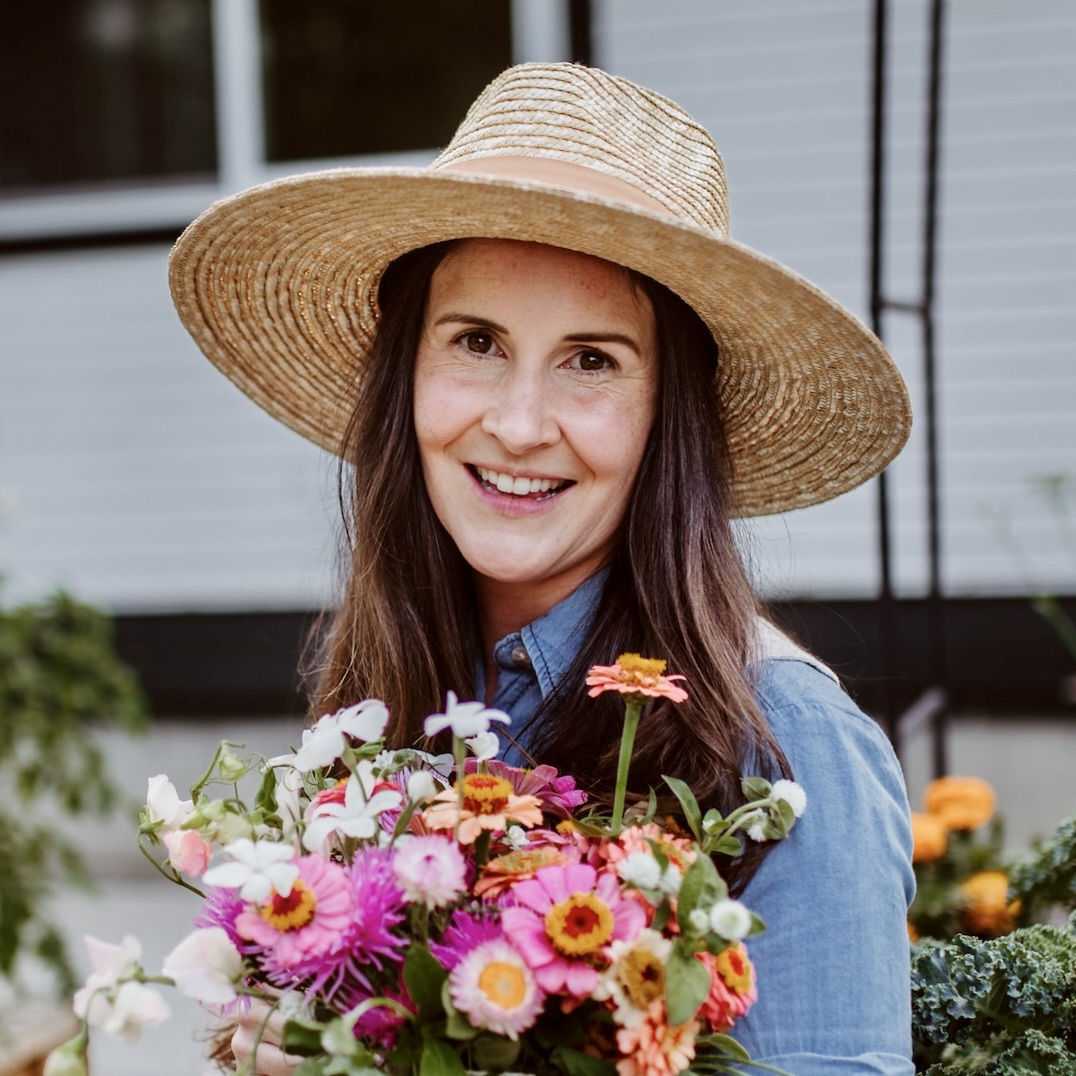
Mary Jane Duford is a certified Master Gardener and founder of the gardening website, Home for the Harvest. Her background as an engineer brings a scientific perspective to plant care and soil management. She specializes in sustainable gardening practices, choosing ideal cultivars, and has helped thousands of homeowners transform their outdoor spaces. Mary Jane’s expertise has been featured in Better Homes & Gardens, The Spruce, and other prominent gardening publications.
Discover more from Home for the Harvest
Subscribe to get the latest posts sent to your email.
Home for the Harvest
Hi, I’m Mary Jane! I’m a Master Gardener and the creator of Home for the Harvest, where I share simple, science-based gardening tips for growing a beautiful and productive garden.




Leave a Reply