May is the busiest month in most cold-winter gardens. The soil is warming, the seedlings are ready to go out, and everything wants to be planted at once. A little planning keeps the month from getting away from you.
These tasks fit cold-winter gardens in zones 3 to 7. Your last frost date is the key to timing. Not sure of your zone? Here is how to find your growing zone.
Plant
1. Harden off your seedlings
Seedlings grown indoors need a week or two to get used to sun, wind, and cool nights. Set them outside in shade for an hour or two at first. Then give them a little more time and more sun each day. Here is how to harden off seedlings.
2. Plant cool-season transplants early in the month
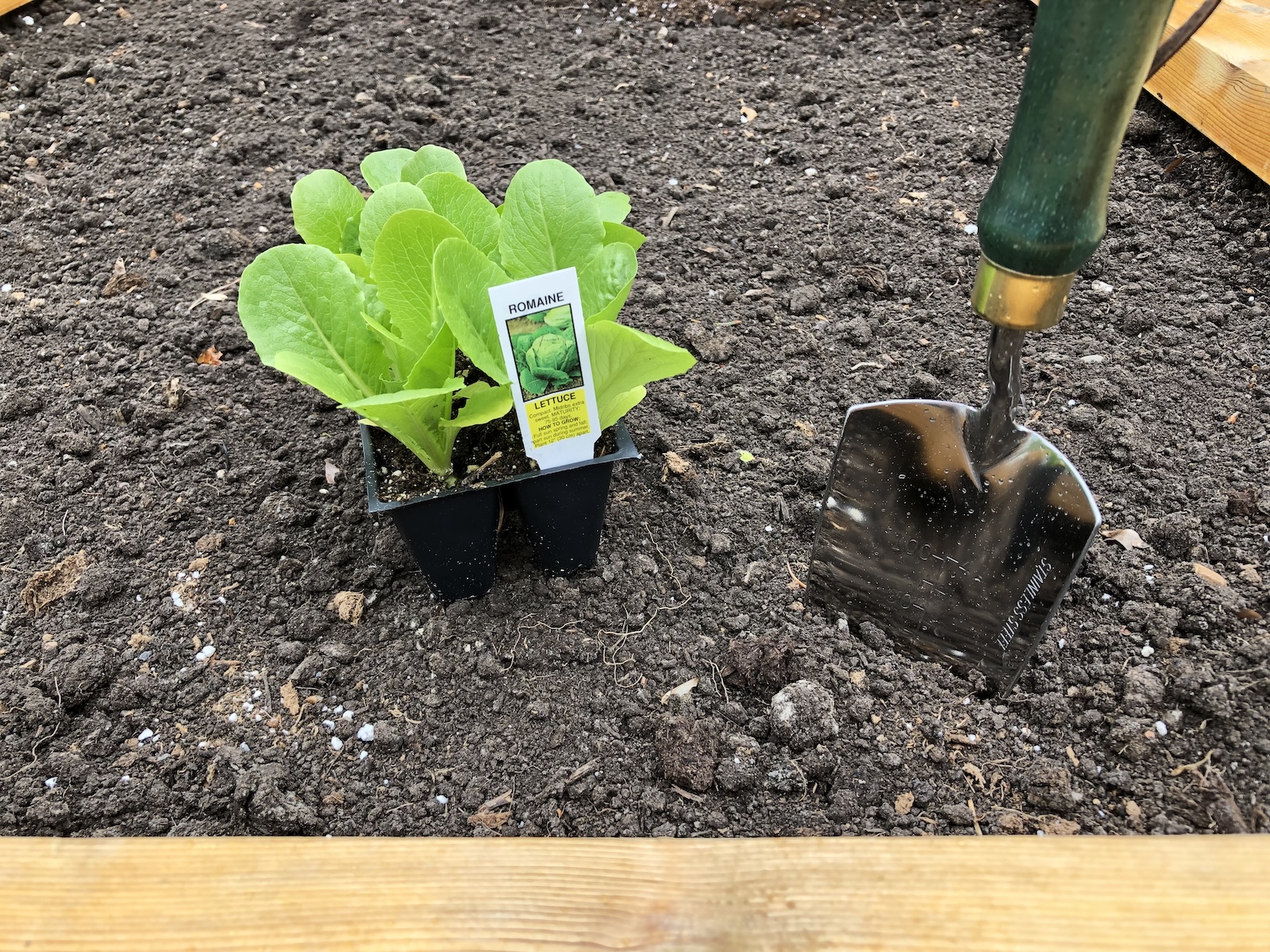
Broccoli, cabbage, kale, lettuce, and onions can go out in early May in most cold-winter gardens. They handle light frost.
3. Plant warm-season crops after your last frost
Tomatoes, peppers, eggplant, squash, cucumbers, and basil need warm soil and warm nights. Wait until after your last frost date, and watch the 10-day forecast before you plant.
4. Sow warm-season seeds outdoors
Once the soil reaches about 60°F (16°C), sow beans, corn, squash, and cucumbers right in the garden.
5. Plant summer bulbs and annual flowers
Plant dahlia tubers and gladiolus corms once the soil warms. Fill pots and beds with annual flowers after your last frost.
Protect
6. Watch for late frost
A late frost can still hit in May. Keep row cover, old sheets, or buckets handy. Cover tender plants in the evening when frost is in the forecast, and uncover them in the morning. Here is what temperature to cover plants for frost.
7. Protect transplants from cutworms
Cutworms chew through young transplants at the soil line overnight. Slide a cardboard collar over each transplant as you plant it. Here is how to get rid of cutworms.
8. Watch for slugs, aphids, and flea beetles
Spring pests show up as soon as plants start growing. Check your plants every few days, and catch problems early.
Care
9. Set up supports
Put in tomato cages, stakes, and trellises at planting time. Adding them later can damage roots and stems.
10. Weed early and often
Small weeds are easy to pull. Big weeds are not. Hoe or pull weeds every week while they are tiny, before they set seed.
11. Mulch once the soil warms
Once the soil has warmed up, spread mulch around your plants. It holds in moisture, keeps weeds down, and keeps soil off the leaves. Here is more on organic mulch.
Harvest
12. Pick your first spring crops
May is harvest time for the first crops of the year. Pick asparagus spears, rhubarb stalks, radishes, spinach, and lettuce while they are young and tender.
- How to grow asparagus
- How to grow rhubarb and when to harvest it
- How to grow radishes
- How to grow chives
Looking for more spring tasks? See my March gardening tips.
Seed companies I like
These are the seed companies I order from for my own garden.
- Botanical Interests: beautiful packets with growing notes printed inside
- High Mowing Organic Seeds: certified organic, grown in Vermont
- True Leaf Market: big selection of hybrids, microgreens, and cover crops
Some links earn me a commission at no cost to you. As an Amazon Associate I earn from qualifying purchases.



Leave a Reply