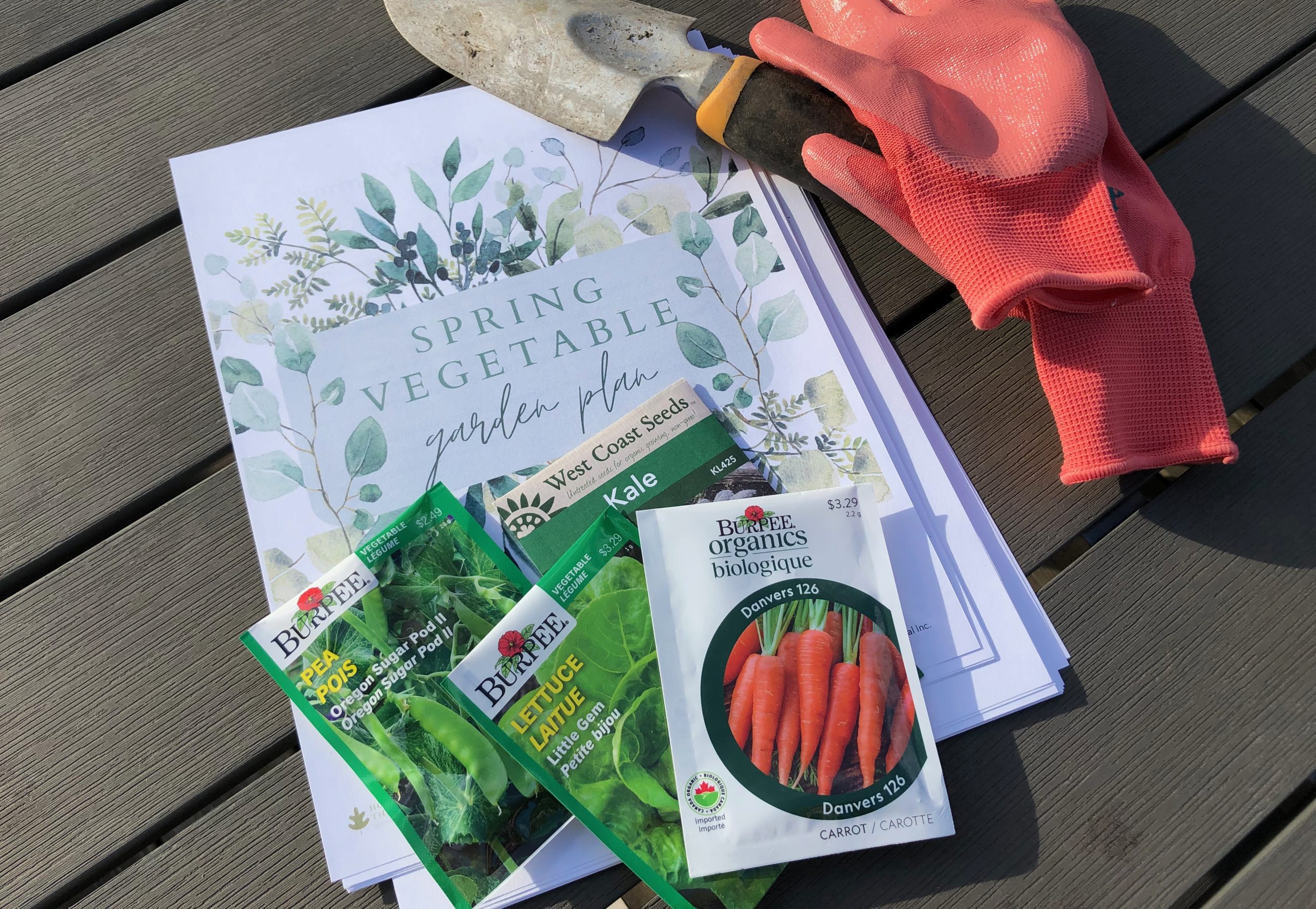
January is the planning month. The beds are frozen or soggy, and there is little to do outside. But the seed catalogs are here, and the choices you make now shape the whole season.
These tasks fit cold-winter gardens in zones 3 to 7. In milder zones, you can also prune, plant bare-root trees, and sow some cool-season crops. Not sure of your zone? Here is how to find your growing zone.
Plan
1. Look back at last year
Before you order a single seed, look at what happened last year. Which crops did well? Which ones flopped, got eaten, or never got picked? Which varieties would you grow again?
Write it down in a garden notebook or a note on your phone. A few lines now save you from buying the same mistake twice.
2. Map out your beds
Sketch your beds and decide what goes where. Move tomatoes, squash, and cabbage-family crops to a new spot each year. Rotating crops helps cut down on soil-borne diseases and pests.
These help you plan:
- A free printable vegetable garden planner
- A printable square foot garden planner
- How to make a planting calendar for your garden
3. Find your frost dates
Your last spring frost date sets the timing for almost everything. Seed packets tell you when to start seeds by counting back from that date. Look up your average last frost date and write it at the top of your plan. Then mark when each crop needs to be started indoors or sown outside.
Order
4. Order your seeds
Popular varieties can sell out by late winter, so order early. Check your leftover packets first so you do not buy doubles.
5. Order fruit trees and berry bushes
Nurseries take orders for bare-root trees and berry bushes in winter and ship them in spring. Ordering early gives you the best choice of varieties.
If you want berries, these are good places to start:
Get ready to grow
6. Set up your seed starting gear
Pull out your trays, pots, and lights and check them over. Wash old trays and pots in hot, soapy water. Replace any burned-out bulbs or broken heat mats. Buy fresh seed starting mix.
7. Start the slowest seeds
Onions and leeks need a long head start. Most growers start them indoors 10 to 12 weeks before the last frost. In warmer zones, that can mean late January. In colder zones, it falls in February or March.
My post on how to grow onions from seeds, sets, or transplants covers timing and care.
8. Try winter sowing
Winter sowing lets you start hardy seeds outdoors in clear milk jugs. The jugs act like mini greenhouses. Seeds sprout when the weather is right, and the seedlings come out tough and ready to plant.
It works well for hardy perennials and for seeds that need a cold period to sprout, like milkweed. Here is how to get started:
Check
9. Check trees and shrubs after storms
Walk the yard after heavy snow or wind. Prune off broken branches with a clean cut. Check tree guards on young fruit trees, since voles and rabbits chew bark under the snow. Read more in how to protect young trees from winter damage.
10. Check stored bulbs, tubers, and produce
Look over stored dahlia tubers, gladiolus corms, and canna roots. Toss any that are soft or moldy. If tubers look shriveled, mist the packing material with a little water.
Check stored squash, potatoes, onions, and apples too. Pull out anything going soft so the rot does not spread. Here is more on how to grow dahlias.
Indoors
11. Give your houseplants some care
Short days are hard on houseplants. Move them closer to bright windows and turn the pots every week or two so they grow even. Wipe dust off big leaves so they can catch more light. Hold off on repotting until spring, when plants start growing again.
Water less than you do in summer, and watch for pests. Dry furnace air brings spider mites, and wet soil brings fungus gnats.
- How to care for a jade plant
- Orchid care for beginners
- How to get rid of spider mites
- How to get rid of fungus gnats in houseplants
12. Grow something green indoors
If you miss fresh greens, grow some on the counter. Sprouts are ready in a few days. Microgreens are ready in one to three weeks. Paperwhite bulbs bloom in a few weeks and fill the room with scent.
Looking for last month’s list? See my December gardening tasks.
Seed companies I like
These are the seed companies I order from for my own garden.
- Botanical Interests: beautiful packets with growing notes printed inside
- High Mowing Organic Seeds: certified organic, grown in Vermont
- True Leaf Market: big selection of hybrids, microgreens, and cover crops
Some links earn me a commission at no cost to you. As an Amazon Associate I earn from qualifying purchases.



Leave a Reply